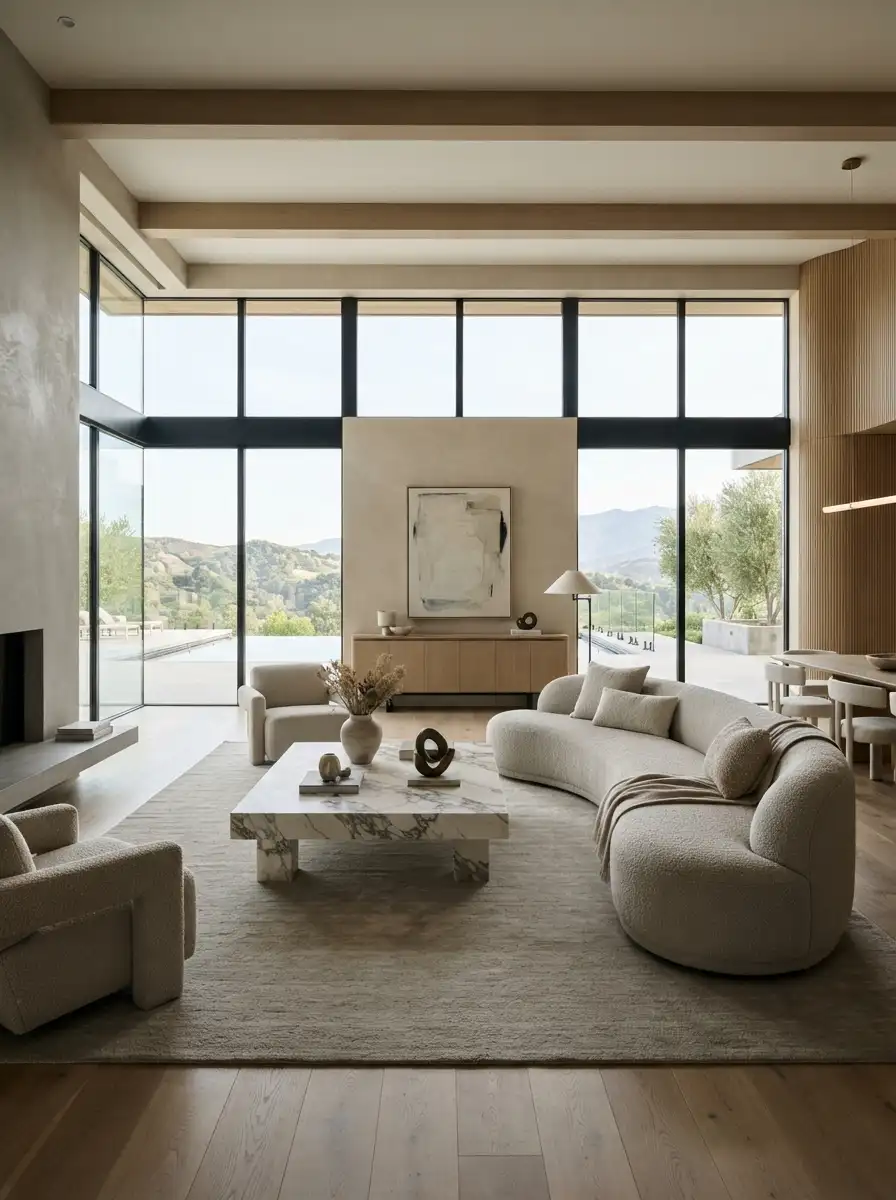
When we hear the word “luxury,” our minds often default to images of overt opulence—crystal chandeliers, gilded mirrors, and rooms overflowing with velvet and silk. On the other hand, “minimalism” often conjures images of stark, cold, and empty white boxes.
However, over the last decade, a new design philosophy has emerged that marries the very best of both worlds: Luxury Minimalism.
Often referred to as “quiet luxury,” this aesthetic focuses on intentionality. It is the belief that true luxury is found not in abundance, but in impeccable quality, flawless execution, and the luxury of space itself. In a luxury minimalist home, every single item must justify its presence. There is nowhere to hide poor craftsmanship because there is no clutter to distract the eye. Instead, the focus shifts to exquisite natural materials, soothing architectural proportions, and masterful lighting.
If you want to transform your home into a serene, high-end sanctuary that feels both effortlessly chic and incredibly welcoming, you must adopt a “fewer, but better” mindset.
Here are 19 luxury minimalist interior ideas to help you achieve a beautifully sophisticated, uncluttered home.
1. Invest in High-End Natural Materials
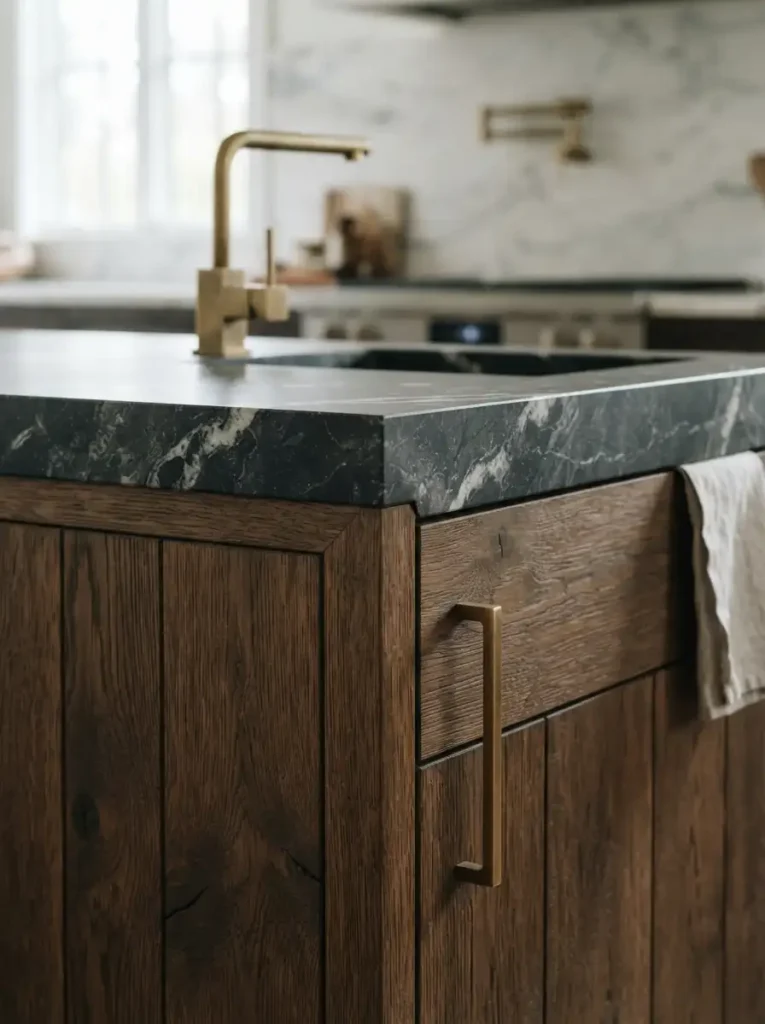
In a minimalist space, materials do the talking. Since you aren’t relying on excessive decor to add visual interest, the foundational materials of your home must be extraordinary. Swap out basic tiles and synthetic floors for heavily veined natural stones like Calacatta marble, rich travertine, and dark soapstone. For flooring and cabinetry, opt for solid wide-plank oak, rich walnut, or smoked timber. These natural elements possess an inherent organic beauty that elevates a room immediately, providing a luxurious backdrop that requires absolutely no additional adornment.
2. Cultivate a Warm, Sophisticated Neutral Palette
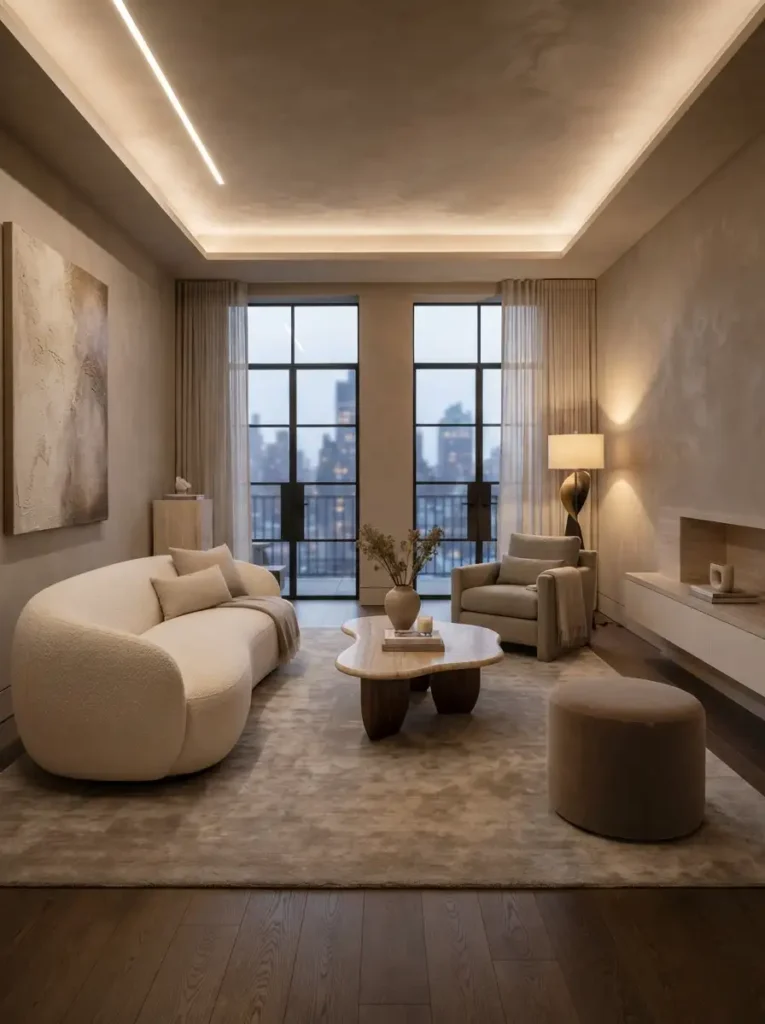
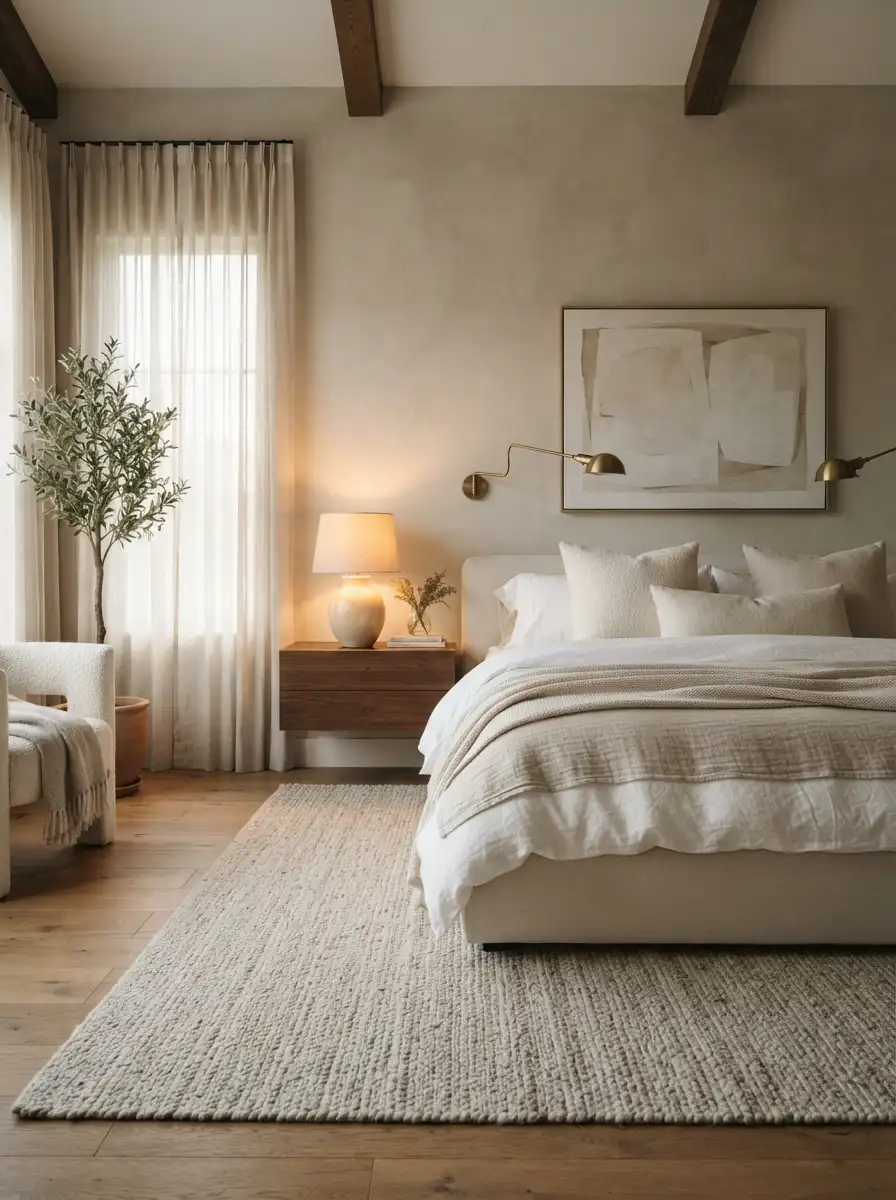
Stark, hospital-white walls can make a minimalist room feel clinical and uninviting. Luxury minimalism leans heavily on a warm, nuanced neutral color palette. Think rich shades of greige, soft taupe, warm cream, mushroom, and deep charcoal. By painting your walls, trim, and ceilings in subtle, tone-on-tone variations of these earthy shades, you create a cocooning effect. To add an extra layer of high-end appeal, consider using specialized wall treatments like Roman clay, limewash, or Venetian plaster to give the walls subtle movement and depth.
3. Let Architectural Details Shine
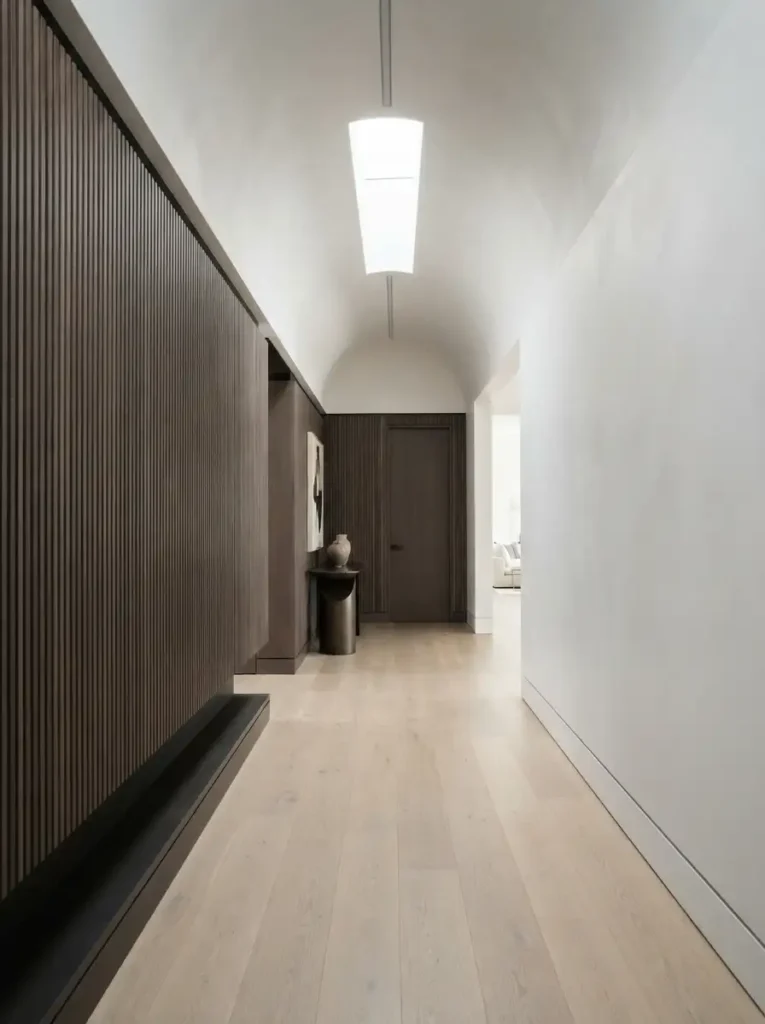
When a room is stripped of clutter, the architecture itself becomes the focal point. To achieve a high-end minimalist look, focus on refining the structural details of your space. Consider incorporating seamless shadow-gap baseboards (where the wall appears to float slightly above the floor), elegant archways, and fluted wall paneling. Vaulted ceilings, exposed structural beams made of reclaimed wood, and large, unadorned windows all contribute to a space that feels inherently expensive before a single piece of furniture is even moved in.
4. Treat Statement Lighting as Sculptural Art
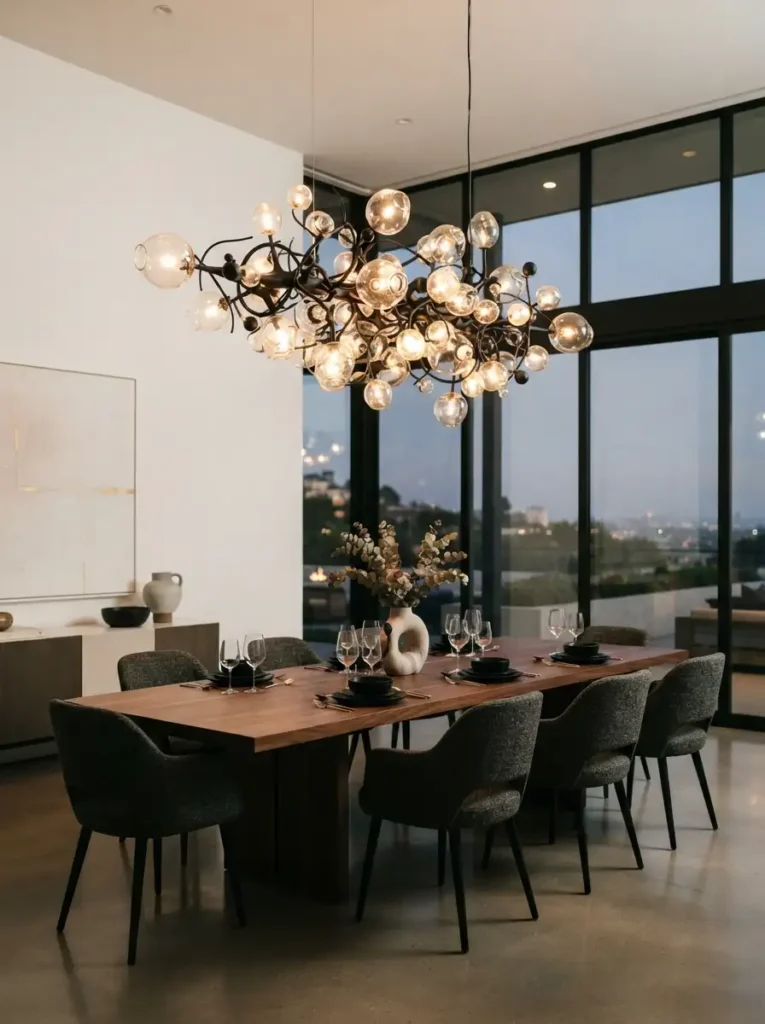
In luxury minimalism, lighting is never just functional; it is treated as a piece of fine art. Because the space is otherwise restrained, a dining room or living room can handle a massive, dramatic lighting fixture. Look for oversized, sculptural pendants made from raw brass, hand-blown glass, or matte-black metal. Brands like Apparatus Studio or Lindsey Adelman have perfected this look. The goal is to choose a fixture that looks just as stunning during the day when it is turned off as it does when it is glowing at night.
5. Prioritize Seamless, Invisible Storage Solutions
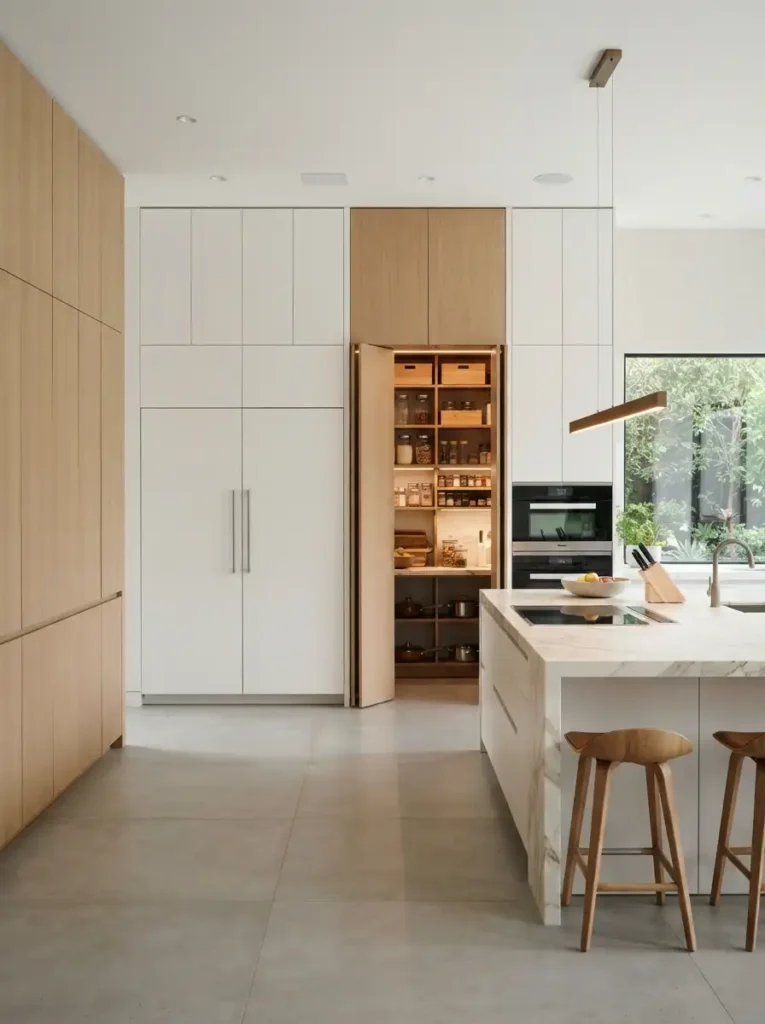
Clutter is the ultimate enemy of luxury minimalism. To maintain a serene environment, everyday items must be completely hidden from view. This requires heavy investment in custom, seamless storage solutions. Opt for floor-to-ceiling millwork with push-to-open mechanisms rather than visible handles. In the kitchen, utilize panel-ready appliances that blend perfectly with your cabinetry, and install hidden pantry doors. When everything has a dedicated, hidden place, the home remains effortlessly pristine and deeply relaxing.
6. Master the Art of Negative Space
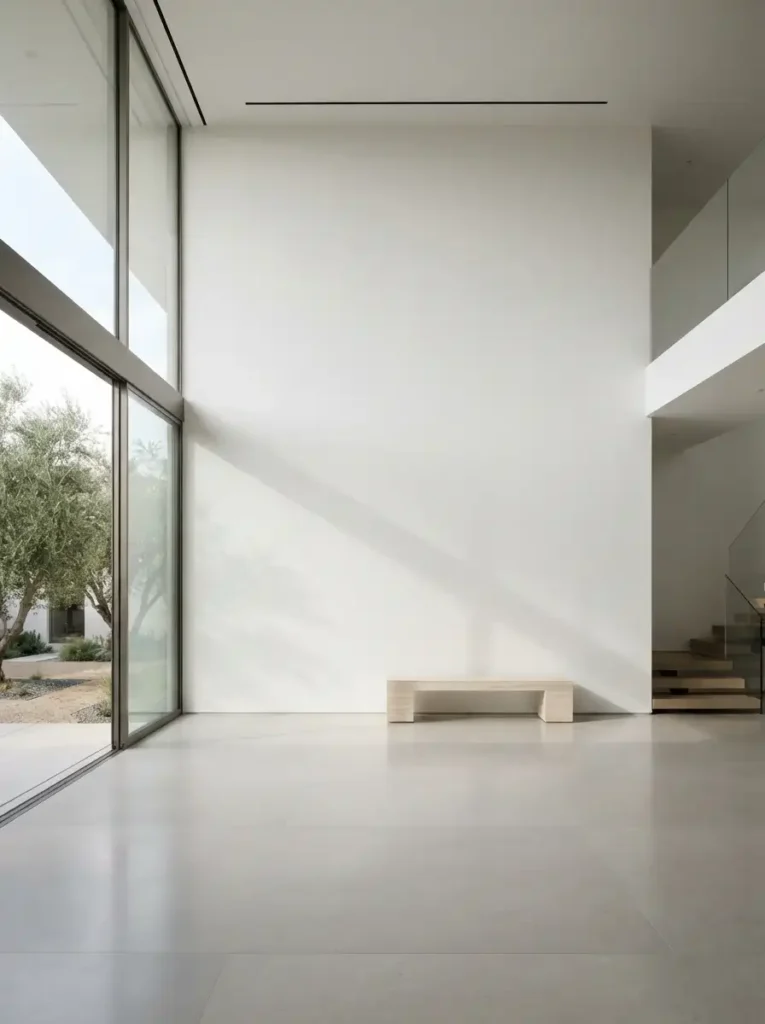
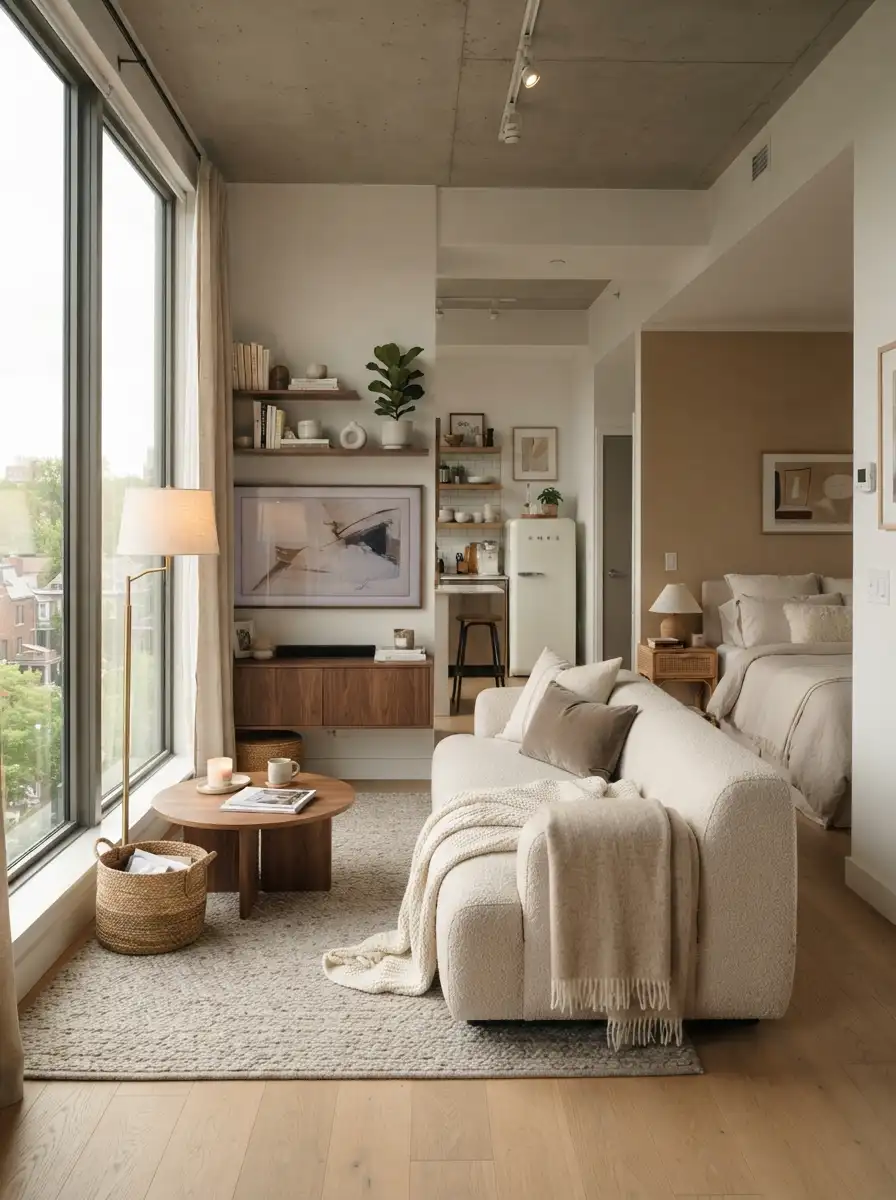
The Japanese design concept of Ma refers to the pure, intentional use of empty space. In a luxury minimalist home, negative space is treated as a physical element of the design. You do not need to fill every corner with an accent chair, a potted plant, or a side table. Allowing walls to remain blank and leaving generous pathways between furniture pieces creates a sense of grandeur. The luxury here is the literal breathing room you give your eyes and your mind.
7. Layer Textures Instead of Colors
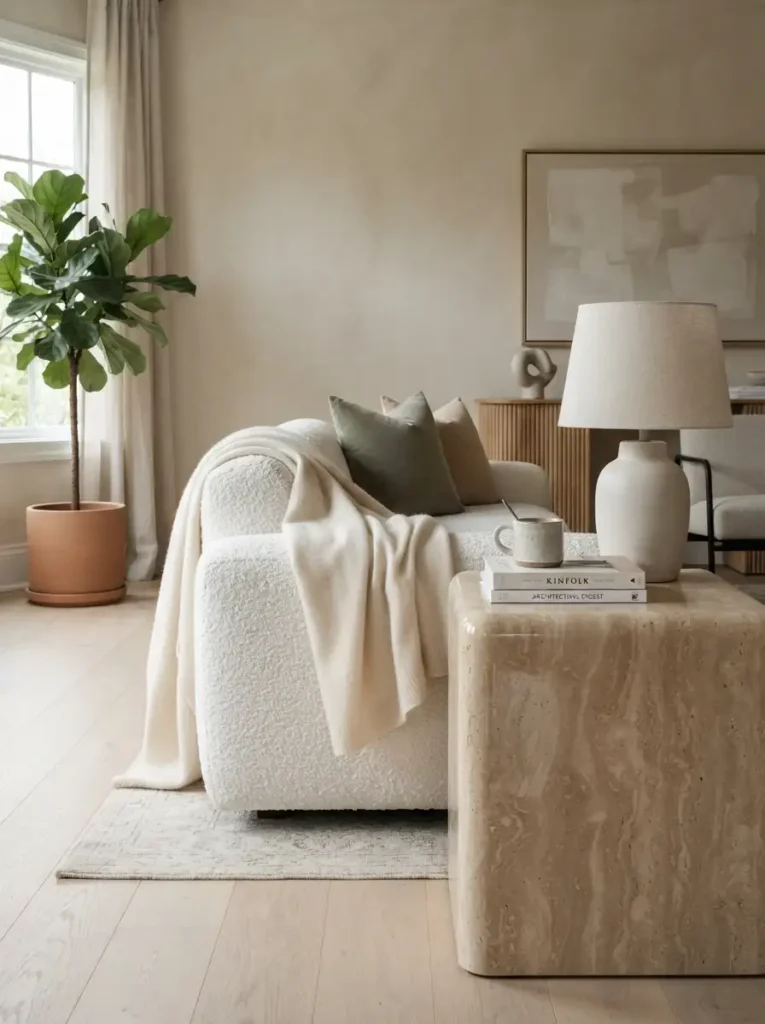
If you are restricting your color palette, you must overcompensate with texture; otherwise, the room will fall flat. Texture is what brings warmth, coziness, and approachability to a minimalist space. Layer a heavy, nubby bouclé sofa with smooth cashmere throws, velvet accent pillows, and crisp linen drapery. Contrast a highly polished marble coffee table with a matte, hand-knotted wool rug. The juxtaposition of rough and smooth, soft and hard, is what makes a monochromatic luxury space feel incredibly dynamic and rich.
8. Opt for Large-Scale, Impactful Artwork
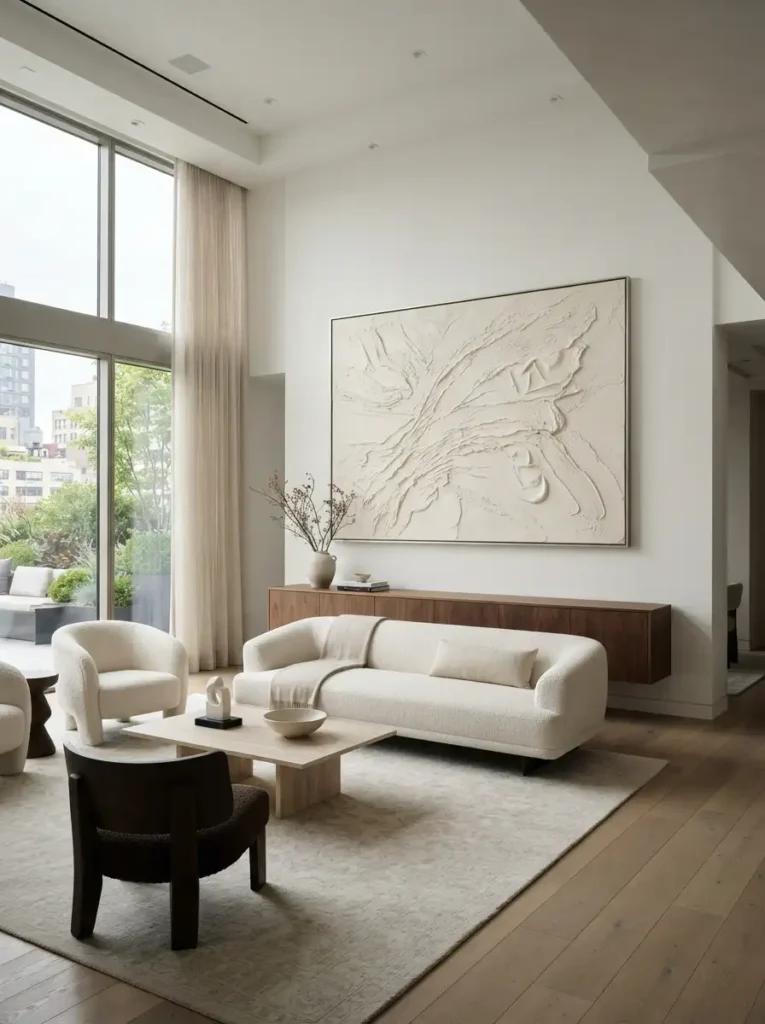
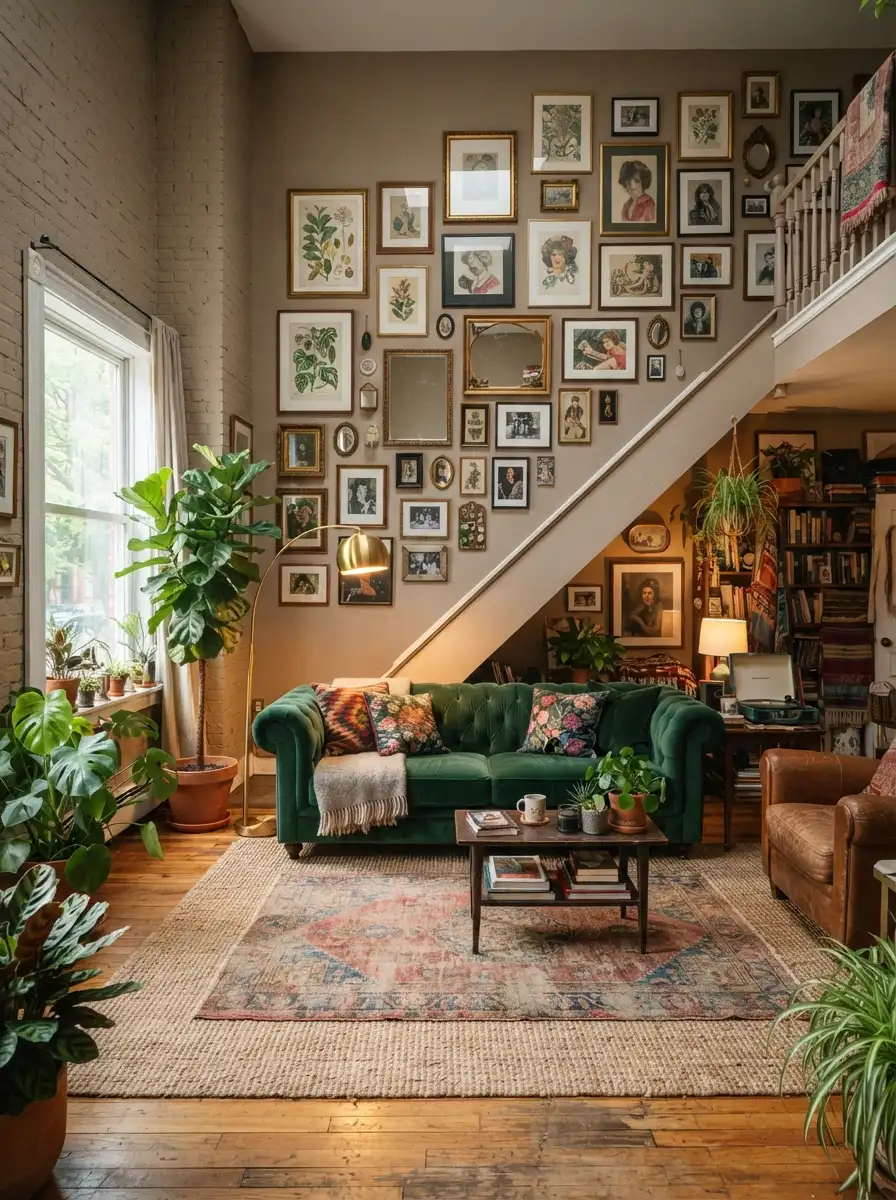
A gallery wall consisting of dozens of small, mismatched frames can feel chaotic and distinctly un-minimalist. Instead, luxury minimalism favors the bold impact of one or two oversized, large-scale art pieces. Commission a massive abstract canvas, a heavily textured monochromatic plaster art piece, or a large-scale black-and-white architectural photograph. Floating these large pieces in a sleek, thin metal or raw wood frame makes a massive statement while maintaining the room’s overarching sense of uncluttered calm.
9. Source Custom, Proportionate Furniture
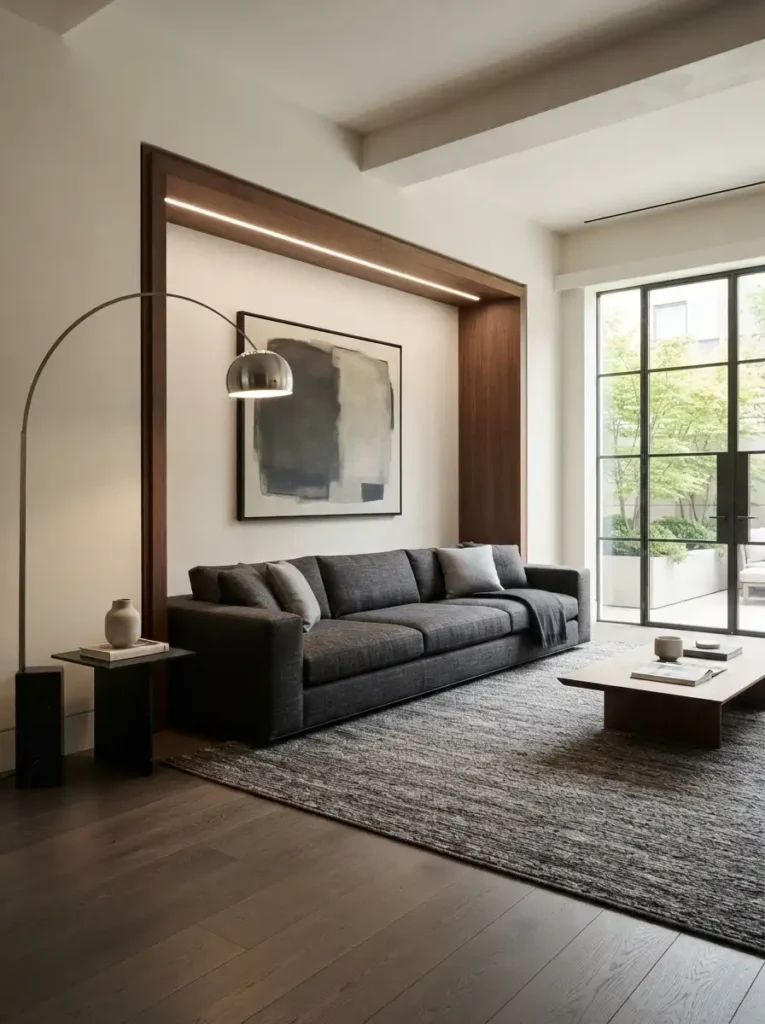
In a sparse room, standard, off-the-shelf furniture often looks out of place or poorly proportioned. Luxury minimalist interiors often rely on custom, bespoke furniture that is tailored precisely to the room’s dimensions. Low-slung, deeply deep-seated Italian sofas (think of designs by B&B Italia or Minotti) anchor the living room beautifully. When a sofa is custom-made to perfectly span the exact width of a structural wall, it creates a tailored, bespoke aesthetic that screams quiet luxury.
10. Create Seamless Indoor-Outdoor Transitions
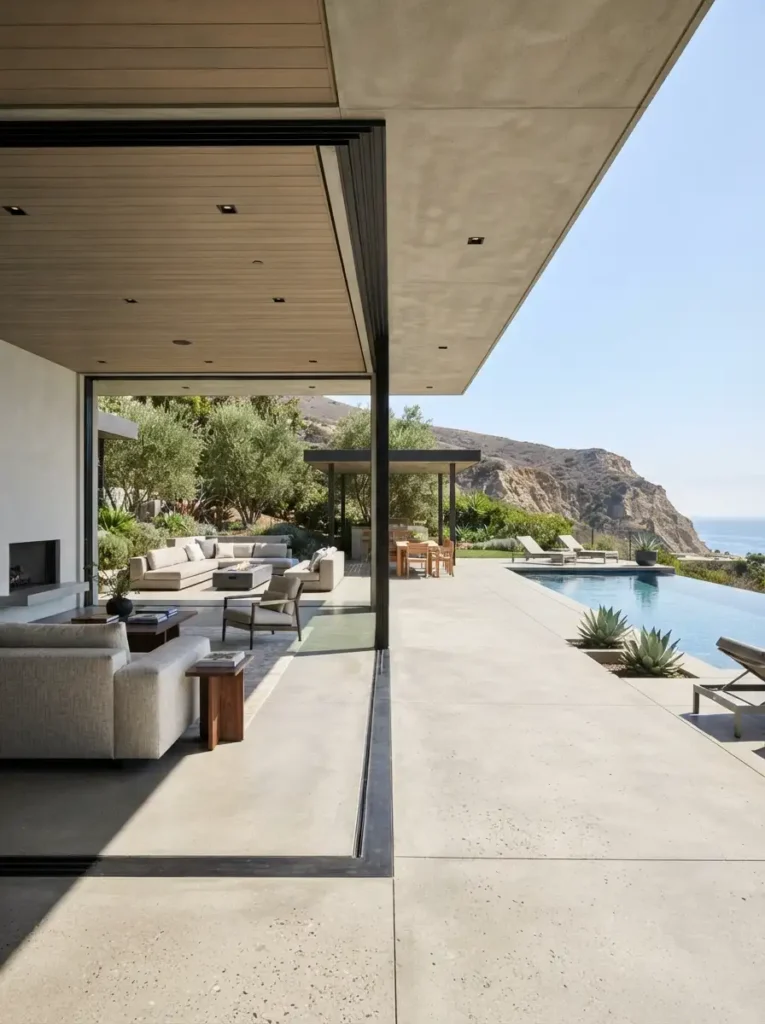
High-end modern homes often blur the boundaries between the interior and the exterior landscape. You can achieve this by installing massive, floor-to-ceiling sliding glass pocket doors that disappear into the walls. To make the transition truly seamless, run the exact same flooring material—such as large-format limestone tiles or poured polished concrete—from the interior living space straight out onto the exterior patio. This visual continuation tricks the eye, making the interior feel endlessly expansive and deeply connected to nature.
11. Elevate the Space with High-End Hardware
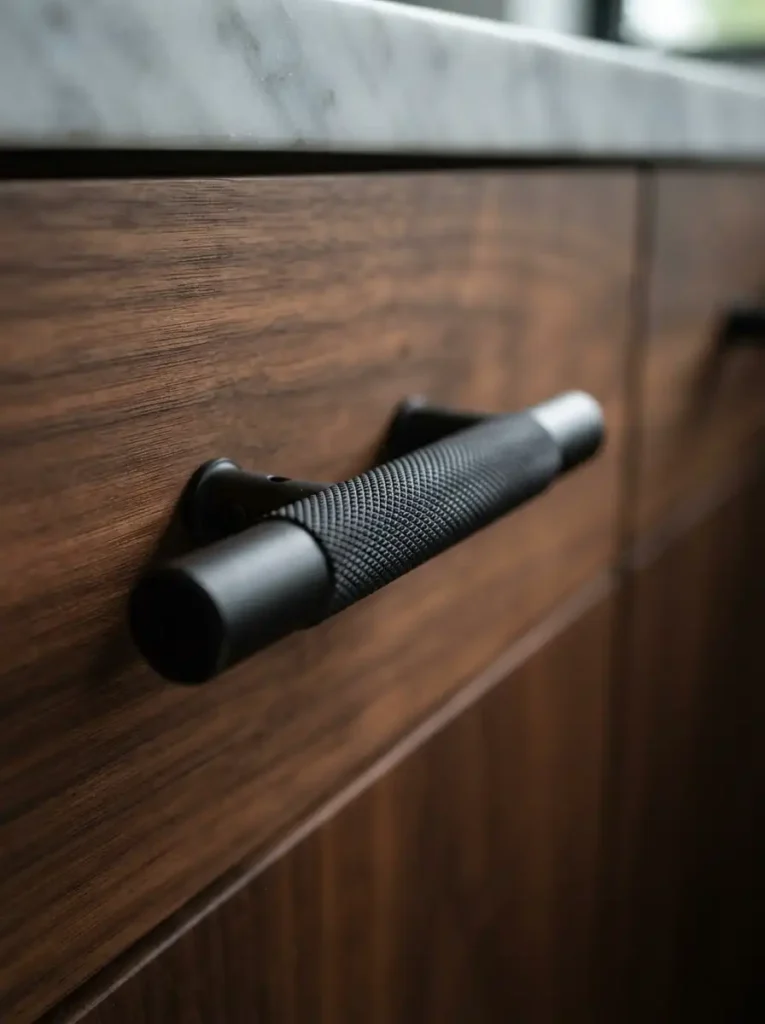
When you have fewer things in a room, you interact with the remaining elements much more intimately. The tactile experience of your home becomes paramount. Do not overlook your hardware. Upgrade standard door handles, kitchen cabinet pulls, and bathroom faucets to heavy, high-quality materials. Unlacquered brass that will patina beautifully over time, knurled matte black metal, or burnished bronze handles add an incredibly luxurious touch point. The heavy, solid feel of quality hardware is a subtle hallmark of a truly expensive home.
12. Integrate Hidden Smart Home Technology
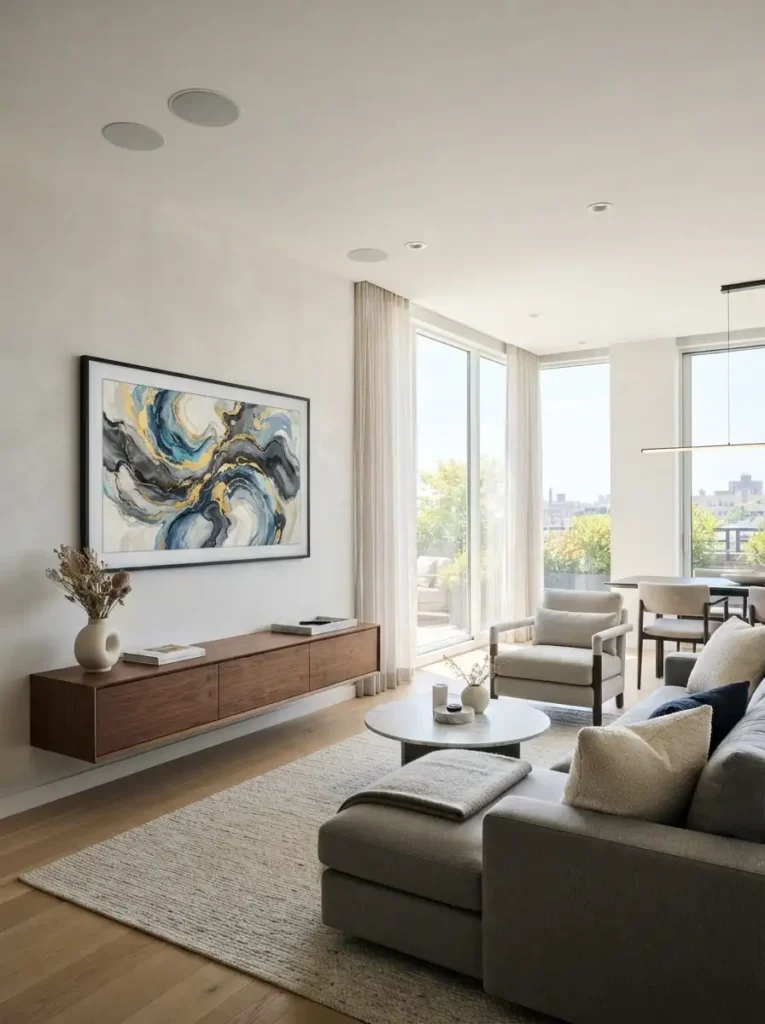
A luxury home is undoubtedly a smart home, but a minimalist home shouldn’t look like a tech hub. The key is invisible integration. Eliminate bulky wall speakers by installing plaster-over architectural speakers that sit completely flush and invisible within the drywall. Hide televisions by using models like the Samsung Frame, which disguise themselves as artwork, or use motorized panels that conceal screens when not in use. Ensure all automated blinds, lighting controls, and climate systems are integrated into a single, sleek wall panel or hidden completely on a smartphone app.
13. Design Monolithic, Spa-Like Bathrooms
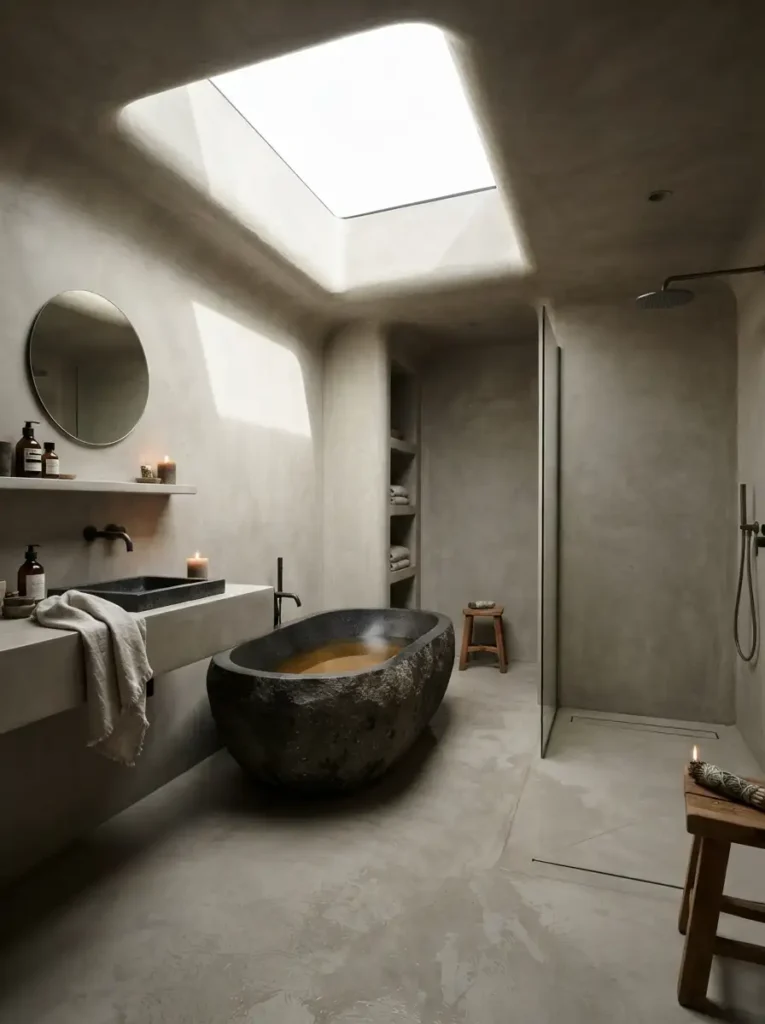
The minimalist luxury bathroom is designed to mimic a high-end wellness spa. Move away from busy mosaic tiles and opt for a “monolithic” look by using a single material throughout the entire space. Covering the floors, walls, and ceiling in micro-cement, Tadelakt plaster, or large slabs of continuous vein-matched marble creates a stunning, seamless cave-like effect. Pair this with a sculptural, freestanding soaking tub carved from a single piece of stone, floating vanities, and invisible linear shower drains for the ultimate retreat.
14. Hang Floor-to-Ceiling Custom Drapery
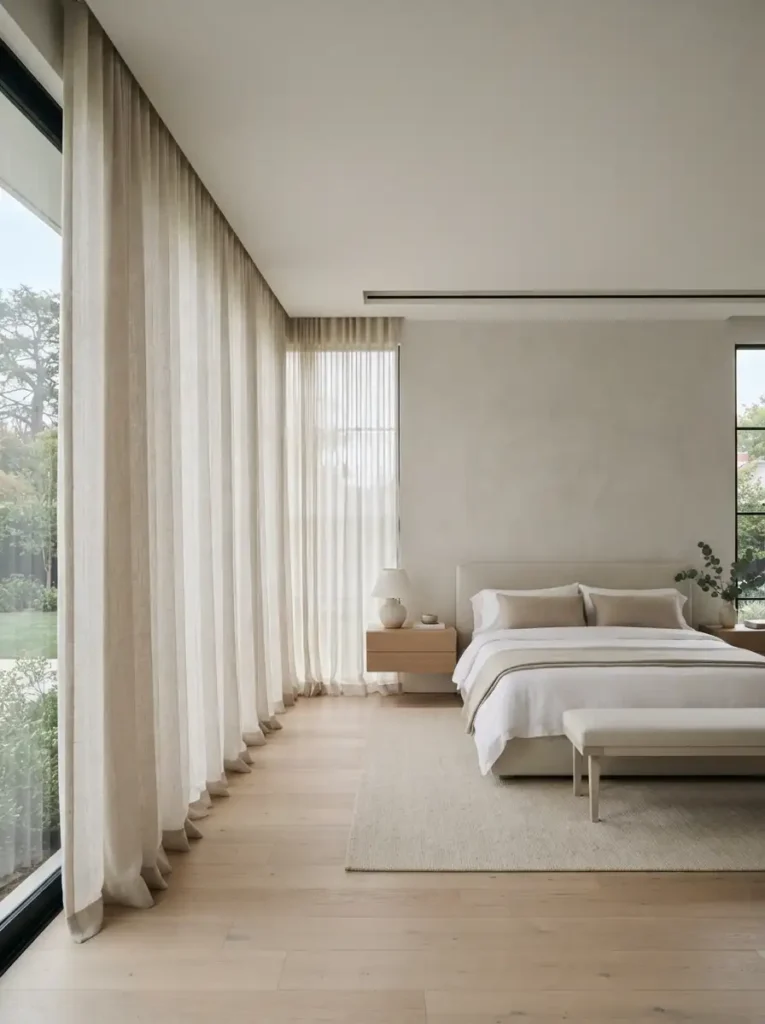
Window treatments in a luxury minimalist space should be simple but exquisitely crafted. Avoid heavy, patterned valances or cheap plastic blinds. Instead, opt for custom S-fold (ripple fold) drapery made from high-quality sheer Belgian linen or lightweight wool. For maximum architectural impact, hide the curtain tracks in a recessed ceiling pocket so the fabric appears to cascade directly from the ceiling. Let the curtains gently “kiss” the floor or puddle slightly to add a touch of romantic softness to the strict lines of the room.
15. Curate Meaningful Objet d’Art
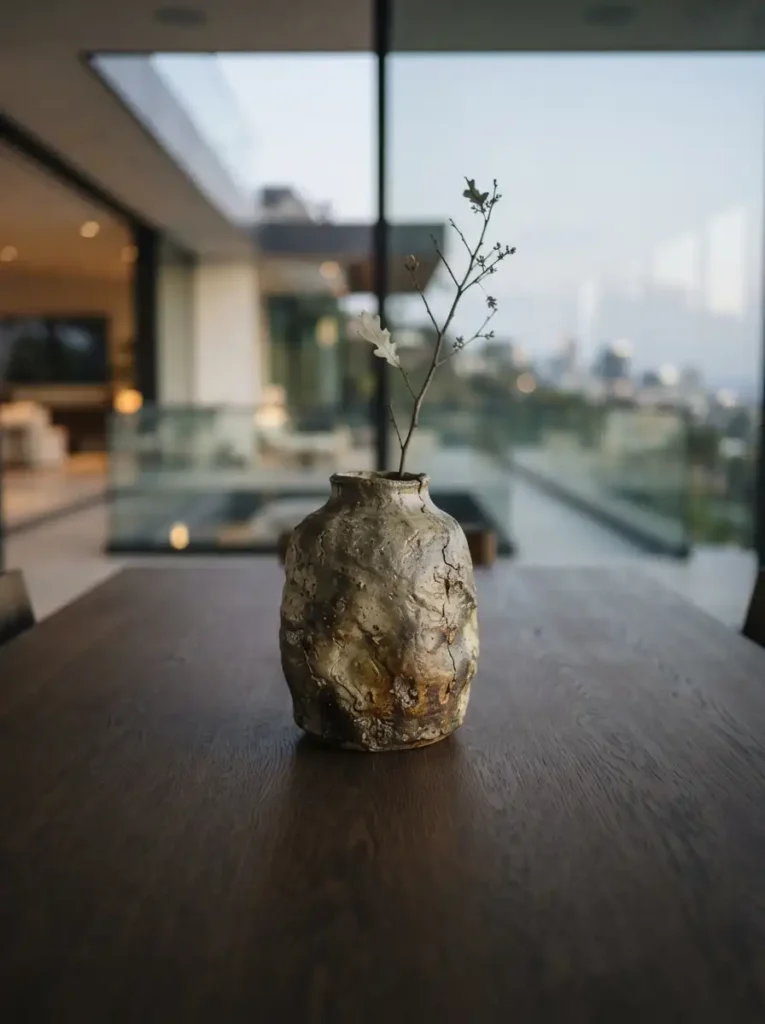
Minimalism does not mean a home devoid of personality, but it does require extreme curation when it comes to styling. Banish the meaningless knick-knacks, souvenirs, and cluttered bookshelves. Instead, select a few highly impactful objets d’art. A single, heavily textured wabi-sabi ceramic vase placed off-center on a dining table, an antique bronze sculpture on a dedicated acrylic pedestal, or a rare vintage design book on a coffee table. Each item should have a story, a purpose, and a commanding presence.
16. Anchor the Space with Statement Rugs
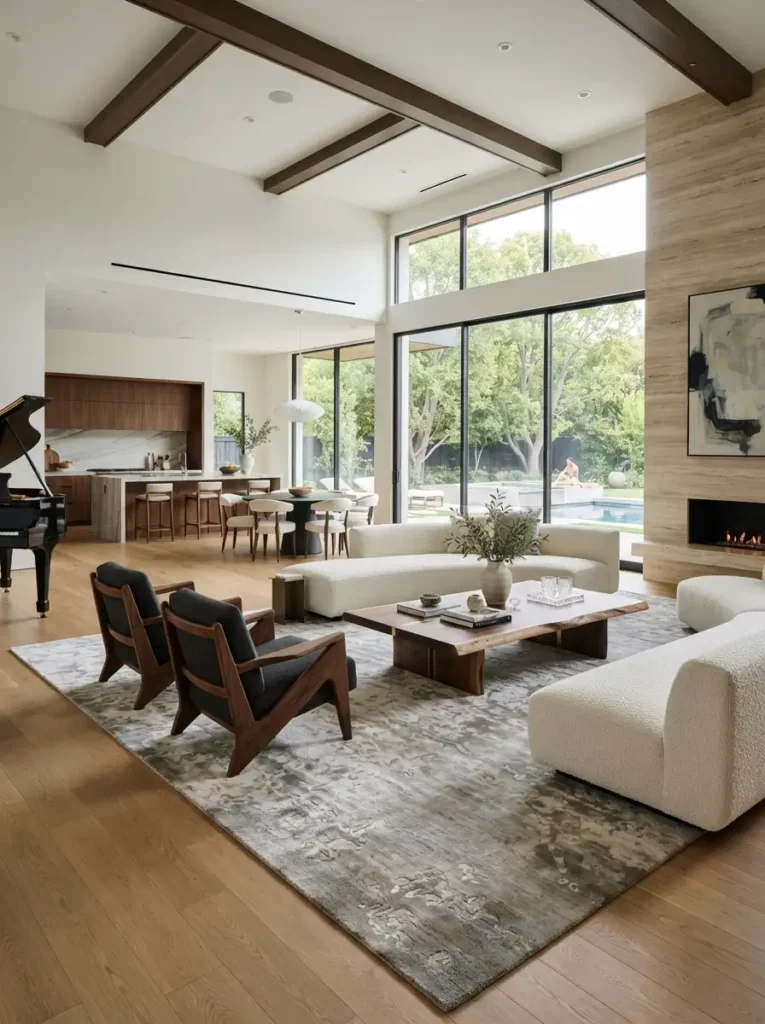
Because a minimalist space is naturally airy and open, furniture can sometimes feel like it is floating aimlessly if not properly grounded. High-end, oversized rugs are crucial here. Avoid loud, distracting geometric patterns. Instead, look for hand-knotted rugs made of a wool and silk blend that offer a subtle, shimmering sheen. The rug should be large enough that all pieces of furniture in a grouping sit comfortably on top of it, creating a distinct, cozy “zone” within a larger open-concept space.
17. Bring Nature Indoors with Extreme Restraint
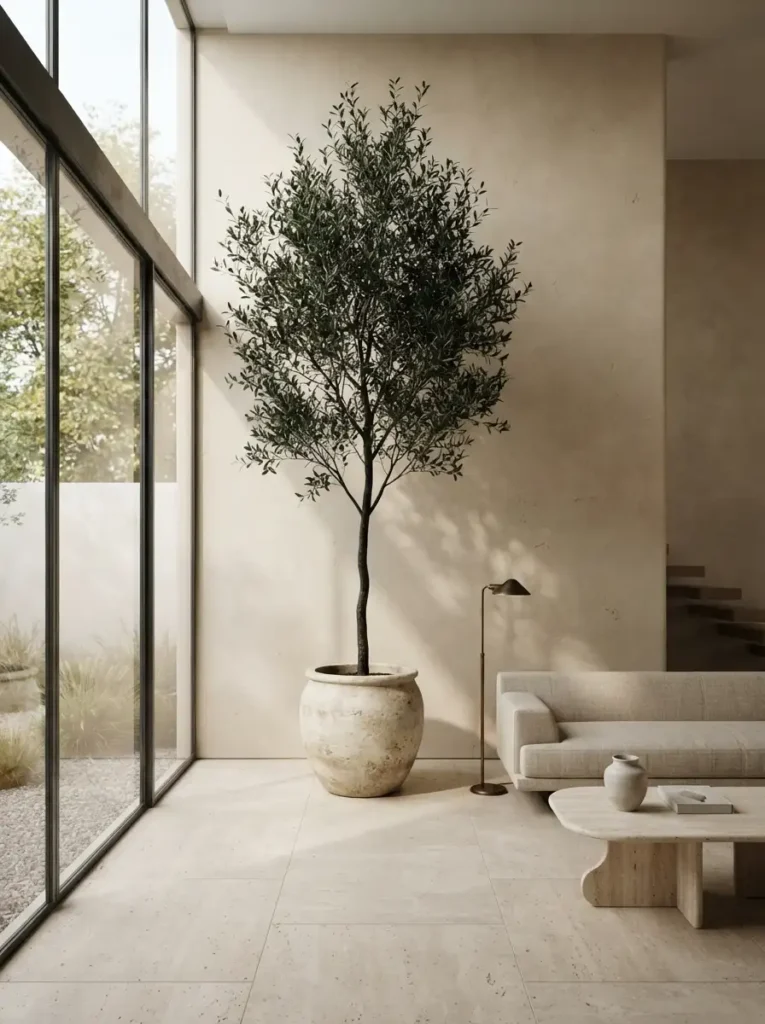
While bringing plants indoors is a great way to breathe life into a home, luxury minimalism dictates a specific approach to greenery. Instead of scattering dozens of small, mismatched potted plants on every available surface, make a bold, singular statement. Invest in one massive, mature indoor tree. A towering 10-foot Black Olive tree (Shady Lady), an elegant Ficus Audrey, or a decades-old Bonsai tree placed in an artisan-crafted stone planter acts as a living, breathing piece of sculpture.
18. Emphasize Symmetry and Visual Balance
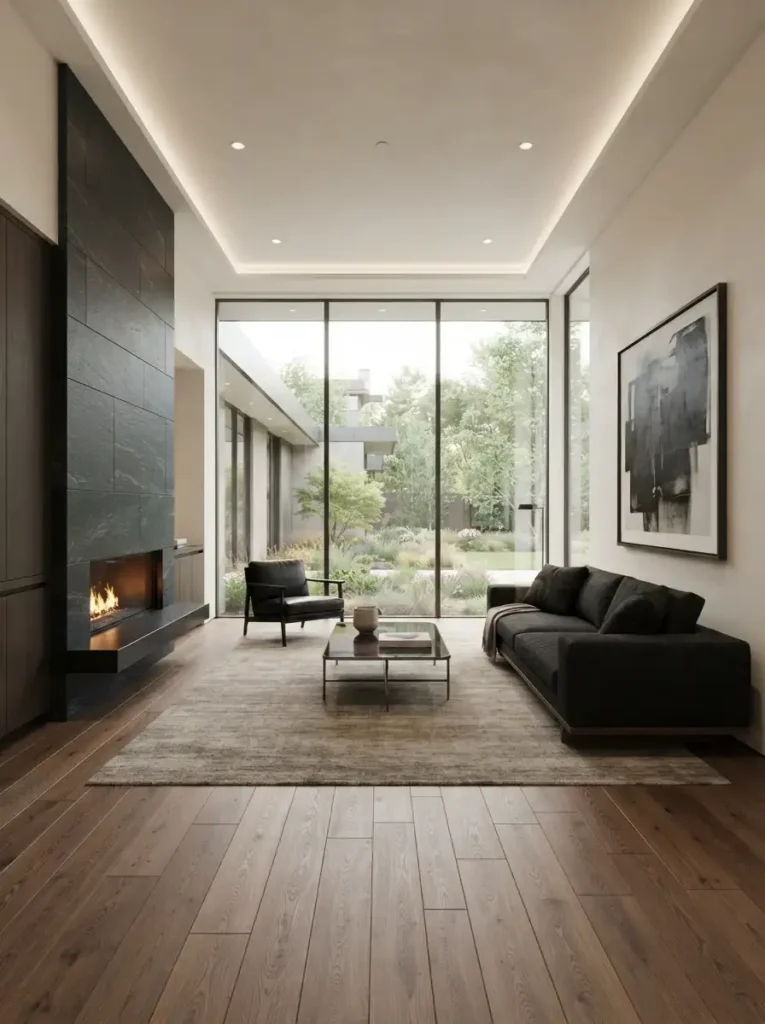
The human brain associates symmetry with calmness and order. To create a space that feels deeply tranquil and luxurious, pay close attention to the visual weight and balance of your furniture placement. This doesn’t mean everything must be rigidly identical on both sides of a room, but there should be harmony. If you have a visually heavy, dark fireplace on one side of a room, balance it with a dark, low-slung sofa or a heavy piece of art on the opposite side. This thoughtful balancing act calms the nervous system the moment you walk through the door.
19. Embrace the “Fewer, Better Things” Philosophy
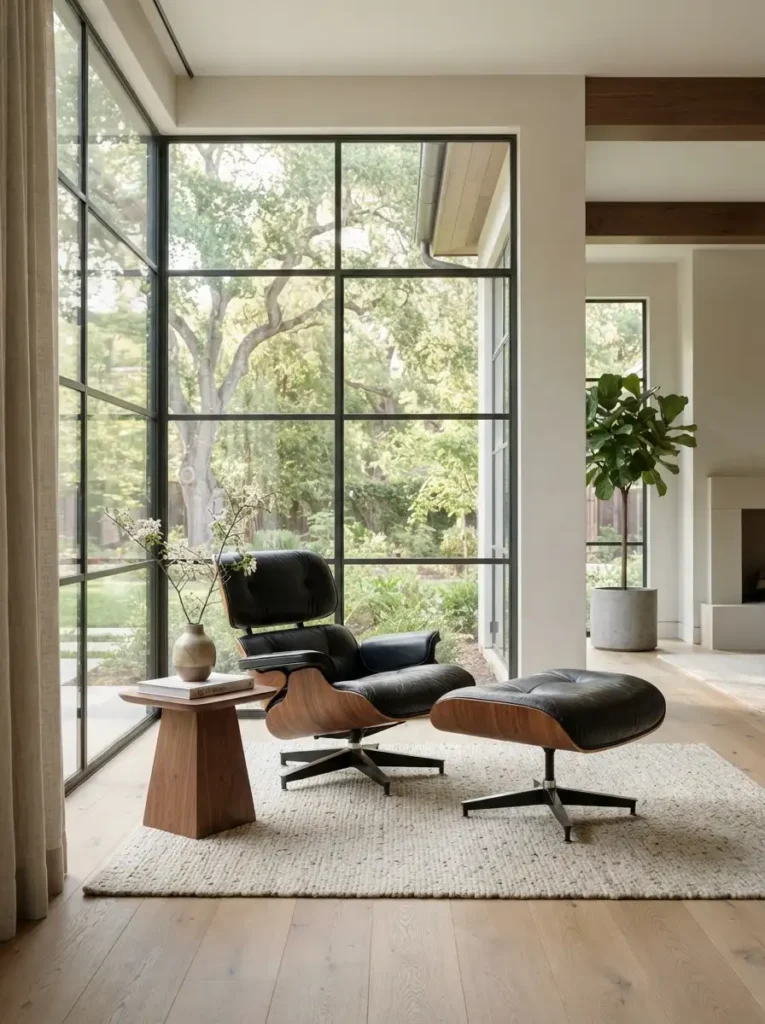
Ultimately, the most important idea in luxury minimalist interior design isn’t a specific piece of furniture or a paint color; it is an overarching lifestyle philosophy. Commit to the idea of buying fewer, better things. Rather than buying three mediocre side chairs to fill space, save up for one iconic, museum-quality lounge chair. Reject fast furniture and trend-driven decor. Choose pieces that will outlive current fads, age gracefully, and eventually become family heirlooms.
The Ultimate Sanctuary
Creating a luxury minimalist interior is an exercise in restraint, editing, and immense self-discipline. It requires looking at a room and understanding that what you remove is often far more important than what you add.
By stepping away from the chaos of modern consumerism and focusing instead on high-end raw materials, soothing architectural proportions, and flawless craftsmanship, you do more than just decorate a house. You curate a sanctuary. You create a quiet, profoundly beautiful backdrop for your life to unfold—a space where true luxury is defined by peace, light, and the glorious freedom of an uncluttered mind.