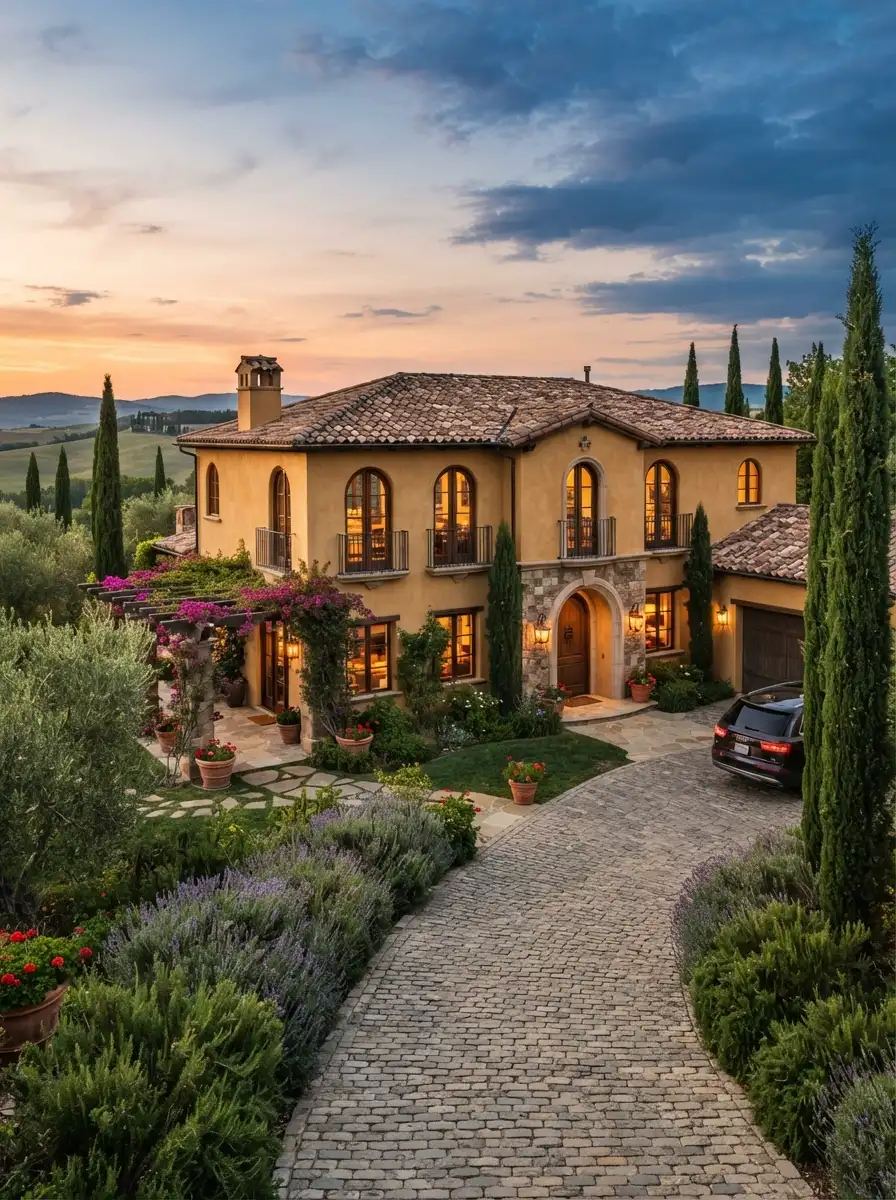
When searching for the perfect Italian house exterior ideas, you are embarking on a journey through centuries of architectural brilliance, romance, and enduring craftsmanship. The allure of Italian architecture is universal. It evokes images of sun-drenched Tuscan hillsides covered in olive groves, elegant Venetian facades reflecting off tranquil waters, and breezy Amalfi Coast villas perched above the Mediterranean Sea. But what exactly makes an Italian-inspired exterior so captivating, and more importantly, how can you translate that historical grandeur into a modern residential home?
Italian exterior design is not simply a collection of building materials; it is a profound philosophy of living. It is about creating a seamless harmony between the natural landscape and the built environment. It is an architecture that celebrates the passage of time—where fading limewash, weathered stone, and overgrown vines are not seen as flaws, but as beautiful patinas that give a home its soul.
Whether you are building a custom home from the ground up, planning a massive exterior renovation, or simply looking to infuse your current facade with a touch of European elegance, mastering this aesthetic requires attention to authentic details. From the sweeping arches to the rustic roof tiles, every structural choice matters.
In this comprehensive guide, we will explore the foundational elements of Mediterranean design and dive deep into 15 Italian house exterior ideas that will help you create a timeless, luxurious, and deeply romantic outdoor retreat.
The Core Philosophy of Italian Exterior Architecture
Before diving into specific ideas, it is essential to understand the architectural pillars that define Italian residential design. The Italian aesthetic is rooted in three main principles:
1. Harmony with Nature: Italian homes are designed to look as though they naturally sprouted from the earth. The color palettes are drawn directly from the surrounding landscape—ochres, terracottas, warm creams, and sage greens. The materials are raw and natural, prioritizing clay, stone, wood, and iron over synthetic, manufactured finishes.
2. The Celebration of Outdoor Living: The Italian lifestyle is famously alfresco. Therefore, the exterior of the house is never just a facade to look at; it is a highly functional living space. Courtyards, loggias, porticos, and terraces are built into the very footprint of the home, erasing the hard boundary between the interior living room and the outdoor garden.
3. Enduring Permanence: Italian homes are built to last for generations. There is a sense of visual weight and grounding in the architecture. Thick walls, deep window recesses, and heavy roofing materials create a structure that feels safe, permanent, and insulated from the elements.
Now, let us explore the 15 definitive architectural ideas that will bring this timeless Mediterranean charm to your home’s exterior.
1. Classic Terracotta Barrel Roof Tiles
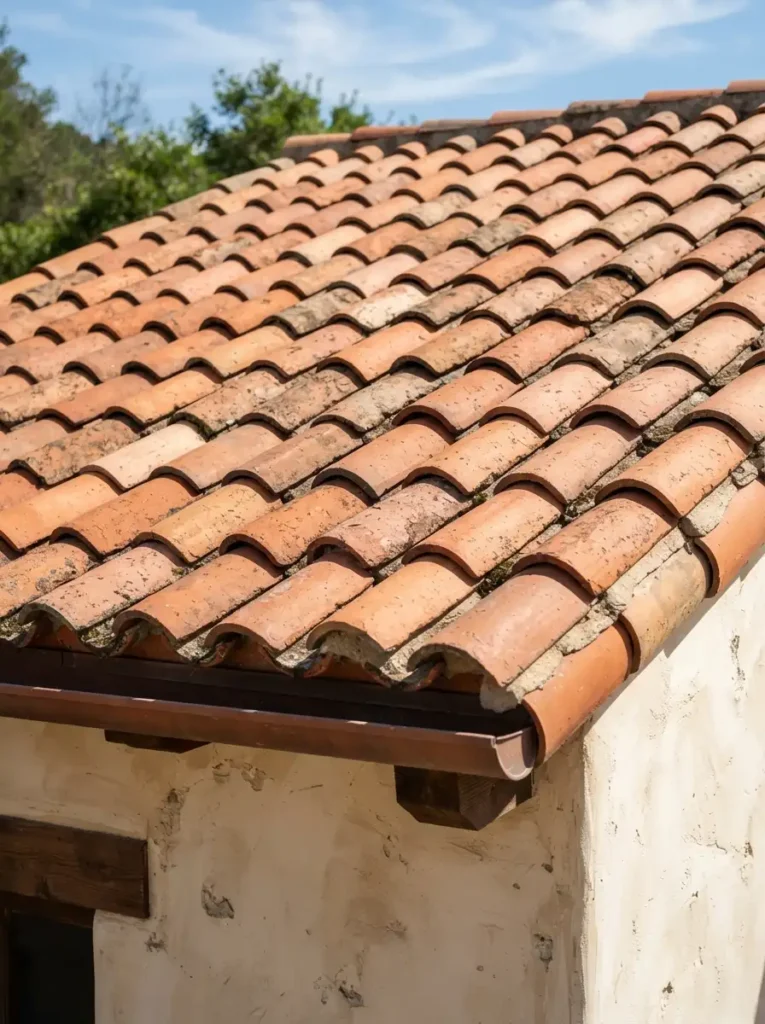
If there is one single defining feature of an Italian house exterior, it is the terracotta roof. Unlike the flat asphalt shingles common in North America, authentic Italian roofs utilize rounded, half-cylinder clay tiles known as barrel tiles or coppi.
These tiles are historically made from natural, baked earth, giving them their iconic, warm reddish-orange hue. When installed, they are layered in a repeating, undulating pattern that creates incredible texture and deep shadow lines across the roofscape. Over time, terracotta gracefully weathers, fading in the sun and occasionally accumulating moss, which only adds to the historical charm. For a truly authentic look, avoid perfectly uniform, brand-new tiles; instead, opt for reclaimed tiles or artisanal blends that feature a mix of slightly different clay tones.
2. Warm Earth-Toned Stucco and Limewash Finishes
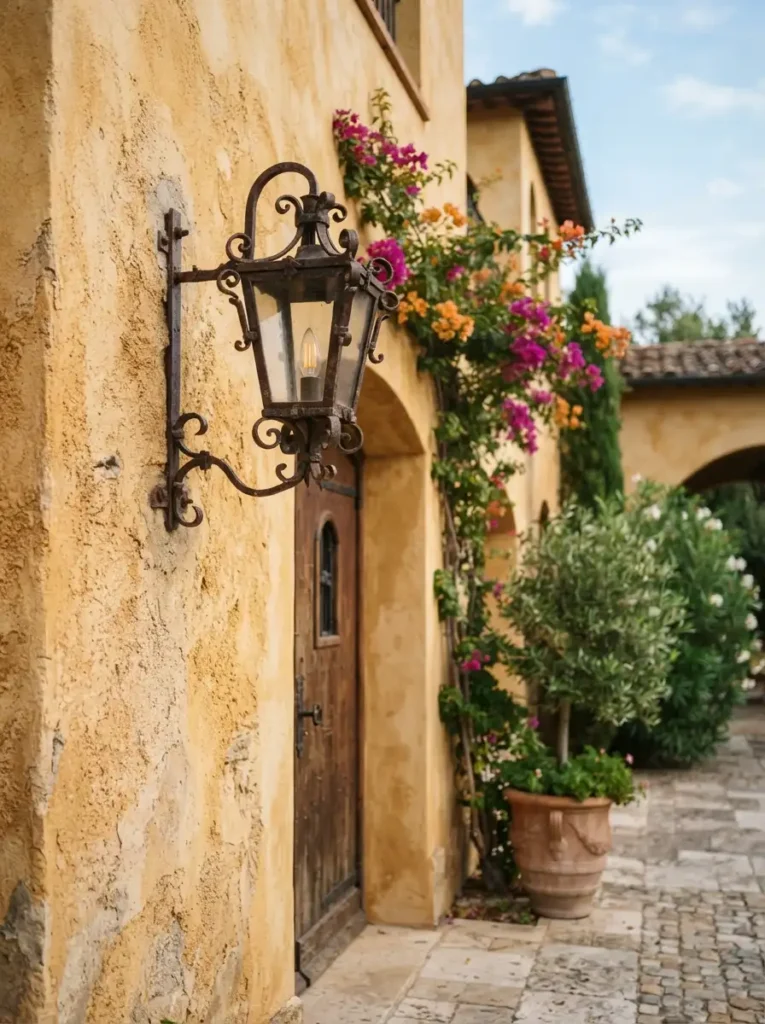
The primary siding of an Italian-inspired home is almost exclusively stucco or plaster, but it is the finish and color that set it apart. Instead of stark white or cool grey flat paint, Italian exteriors rely on warm, earth-toned pigments.
Colors like buttery cream, sun-baked ochre, muted mustard, and burnt sienna dominate the Mediterranean palette. To elevate this look from standard builder-grade stucco, high-end homes utilize limewash or Venetian plaster finishes. Limewash is a mineral-based coating that penetrates the stucco, creating a mottled, beautifully imperfect, suede-like texture. As the sun hits the facade throughout the day, a limewashed wall appears to glow from within, offering a depth and richness that modern latex paints simply cannot replicate.
3. Rustic Natural Stone Cladding
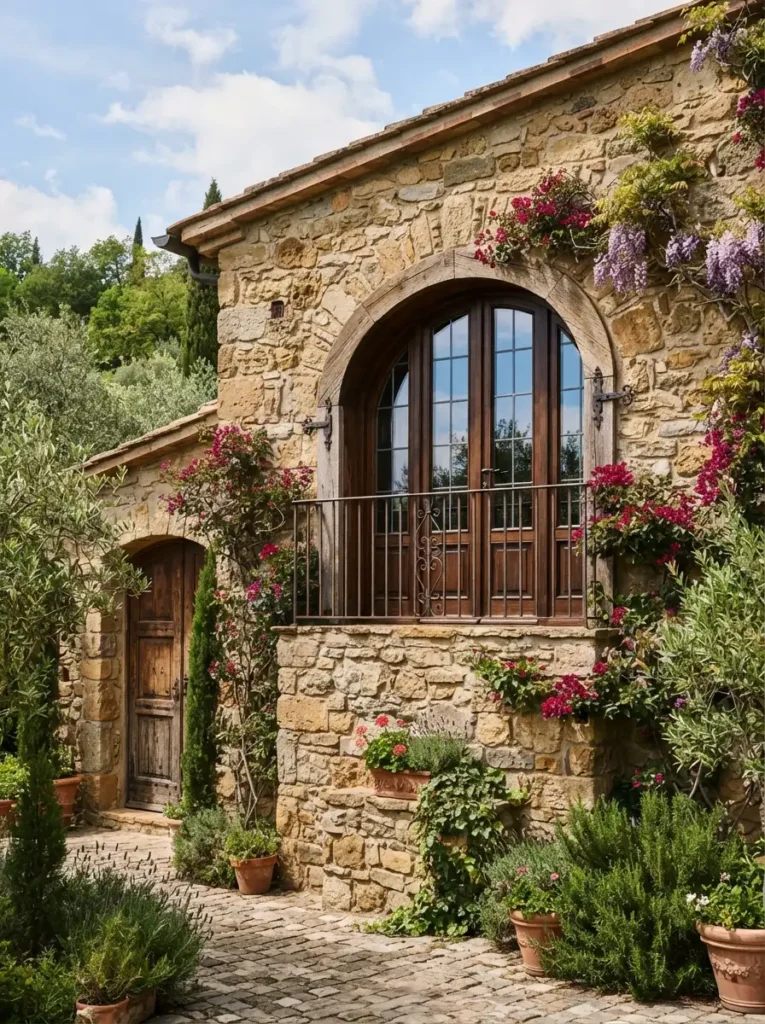
While stucco is prominent, natural stone is the historical backbone of Italian country homes, particularly in the Tuscan and Umbrian regions. Incorporating natural stone cladding into your exterior grounds the house, making it look like a historic estate that has stood for centuries.
The most authentic approach is to use irregular, rough-hewn fieldstone or limestone. Rather than a perfectly stacked, modern linear veneer, Italian stone walls feature an organic, puzzle-like arrangement with heavy, visible mortar joints (often referred to as an “over-grout” technique). You can choose to clad the entire exterior in stone, or use it strategically on the lower half of the home, on a specific architectural tower, or wrapping around an entryway to provide visual contrast against smooth stucco walls.
4. Elegant Wrought Iron Balconies
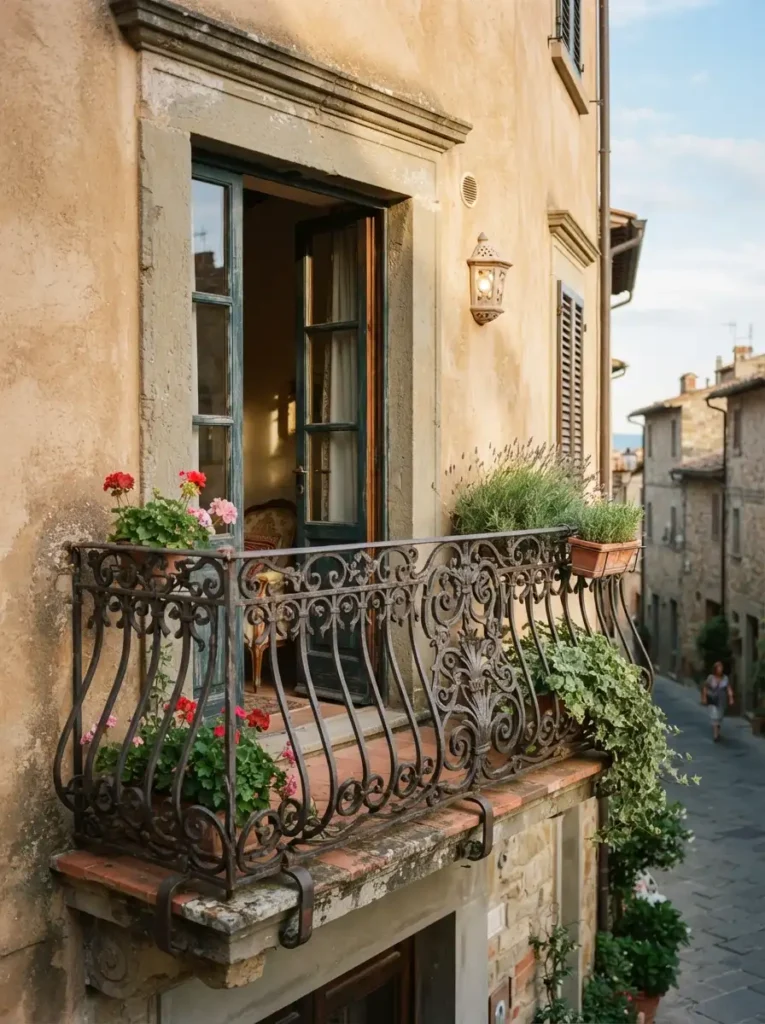
Balconies are a vital component of Italian architecture, serving both functional and romantic purposes. To capture this charm, standard wooden railings should be replaced with custom, intricate wrought ironwork.
The Juliet balcony—a shallow, un-walkable balcony placed directly outside a set of upper-story French doors—is a hallmark of Italian design. The dark, matte black or oil-rubbed bronze iron provides a stunning, sharp contrast against the light, warm stucco. Look for ironwork that features classic Mediterranean motifs, such as gentle scrolling, twisted spindles, or floral medallions. These heavy metal accents introduce a level of artisanal craftsmanship that instantly elevates the luxury of the facade.
5. Tall, Arched Windows and Doorways
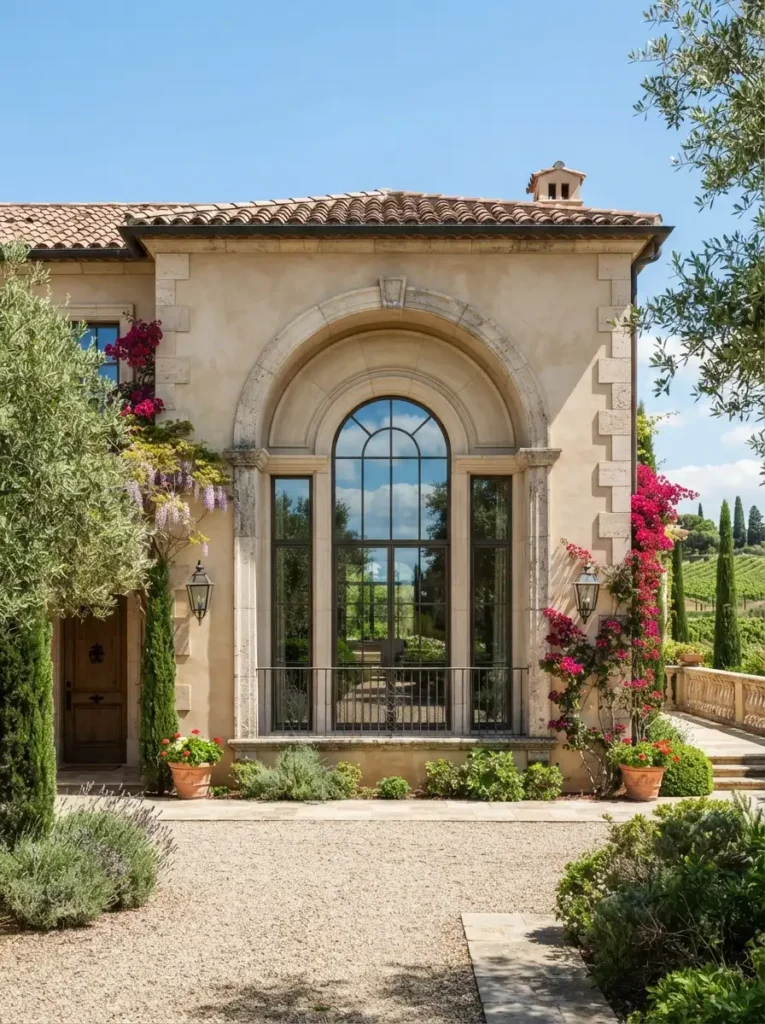
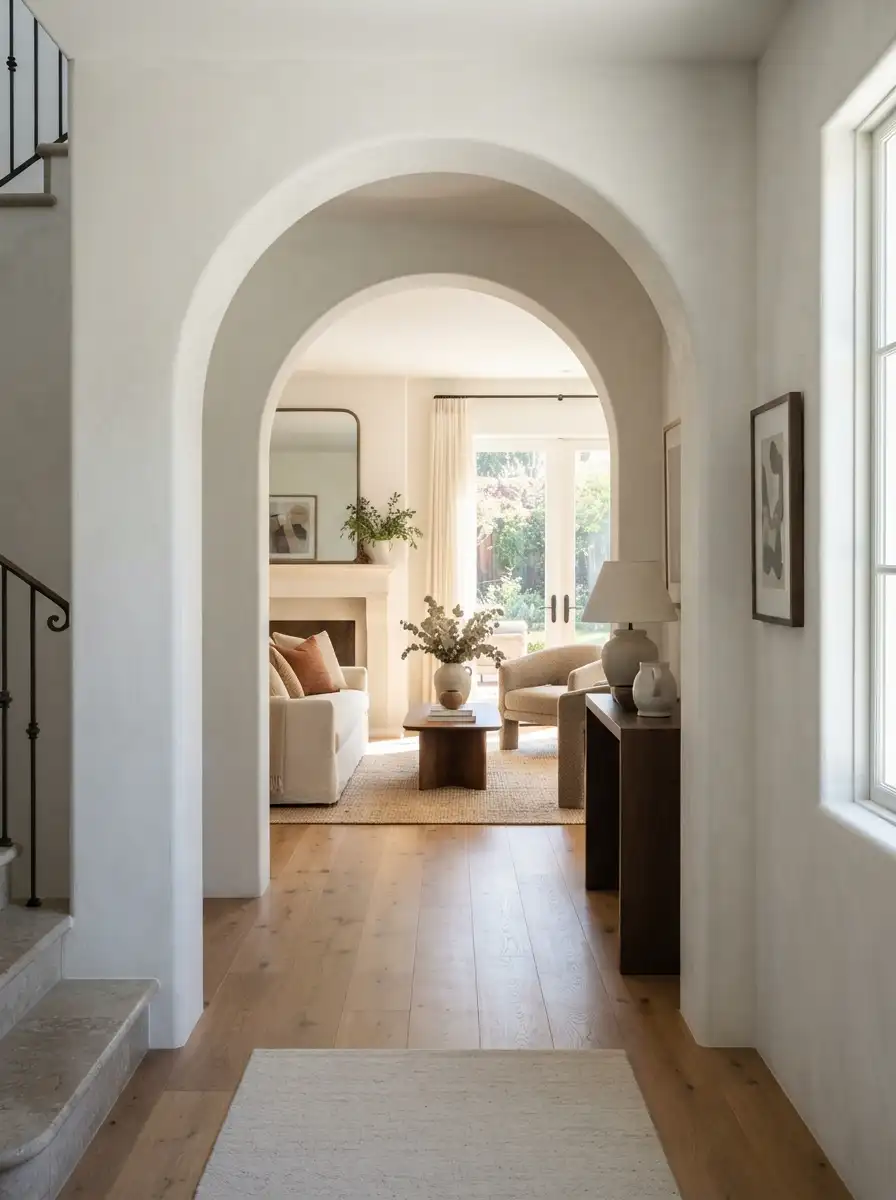
The arch is a fundamental building block of classical Roman architecture, and it remains a vital element of Italian residential design today. Replacing harsh, square windows and doors with sweeping, curved arches softens the entire exterior, giving the home a sense of grace and historical grandeur.
Deeply recessed arched windows, often framed by a smooth plaster surround or exposed brick detailing, draw the eye upward and make the home feel incredibly stately. The Palladian window—a large central arched window flanked by two smaller rectangular windows—is another classic Italian design that brings massive amounts of natural light into the home while providing a breathtaking architectural focal point on the exterior.
6. Traditional Wooden Window Shutters
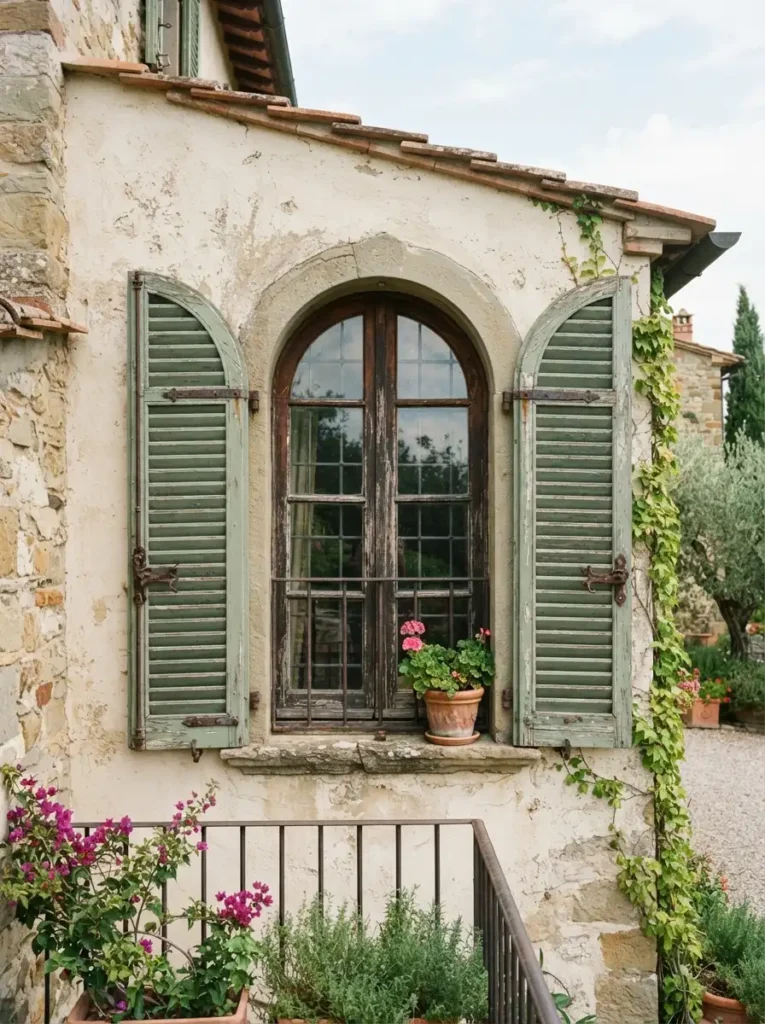
In Italy, window shutters are not just decorative pieces of plastic screwed into the siding; they are highly functional, operable architectural elements designed to block the intense Mediterranean sun while letting the coastal breeze flow through.
To achieve an authentic look, install heavy, solid wood shutters mounted on actual iron hinges. Louvered shutters (featuring angled horizontal slats) or solid board-and-batten shutters are both historically accurate. Paint them in traditional Italian accent colors—faded sage green, deep olive, dusty slate blue, or rich espresso brown. Even if you never close them, the hardware (such as wrought iron “shutter dogs” used to hold them open) adds layers of authentic, tactile detail to the home’s exterior.
7. Sun-Drenched Courtyards with Water Features
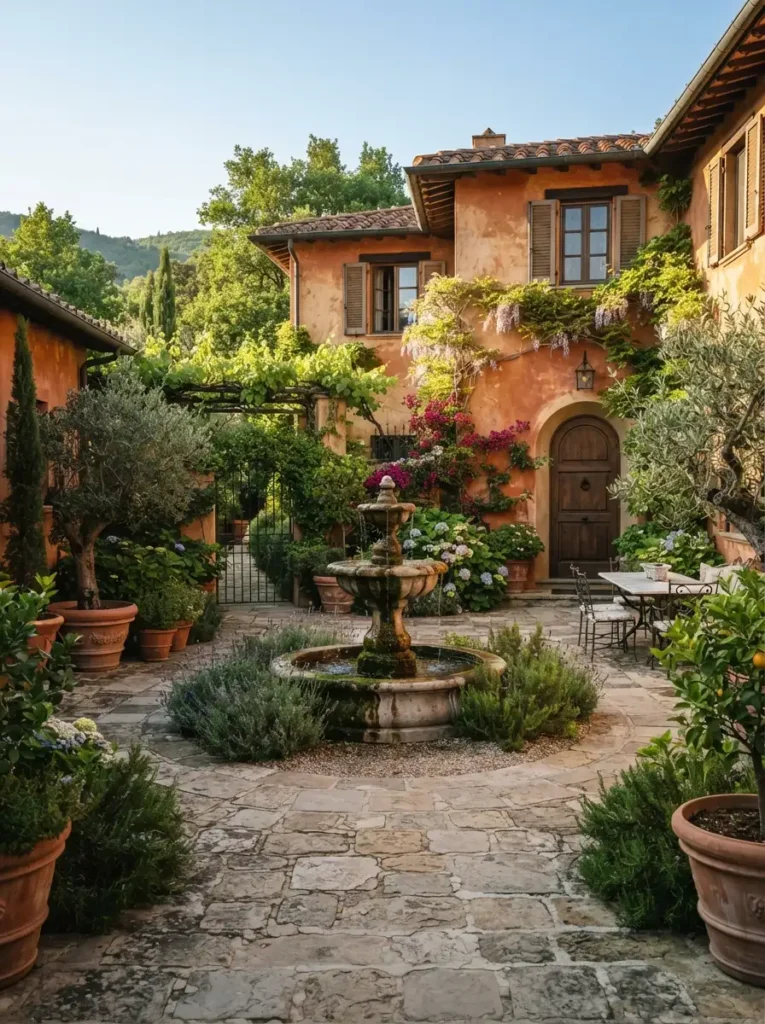
An Italian home does not end at the front door; the exterior transition spaces are just as important. The central or front courtyard is a deeply historical layout designed to provide a private, wind-protected outdoor sanctuary.
To design a luxury Italian courtyard, start with the flooring: use irregular flagstone, antique brick, or crushed gravel. Enclose the space with a low stucco wall or dense landscaping. The absolute centerpiece of this space must be a water feature. A tiered stone fountain or a simple, rustic wall spout pouring into a limestone basin introduces the incredibly soothing acoustic sound of moving water, instantly transforming the approach to your home into a sensory, resort-like experience.
8. Rustic Solid Wood Entry Doors
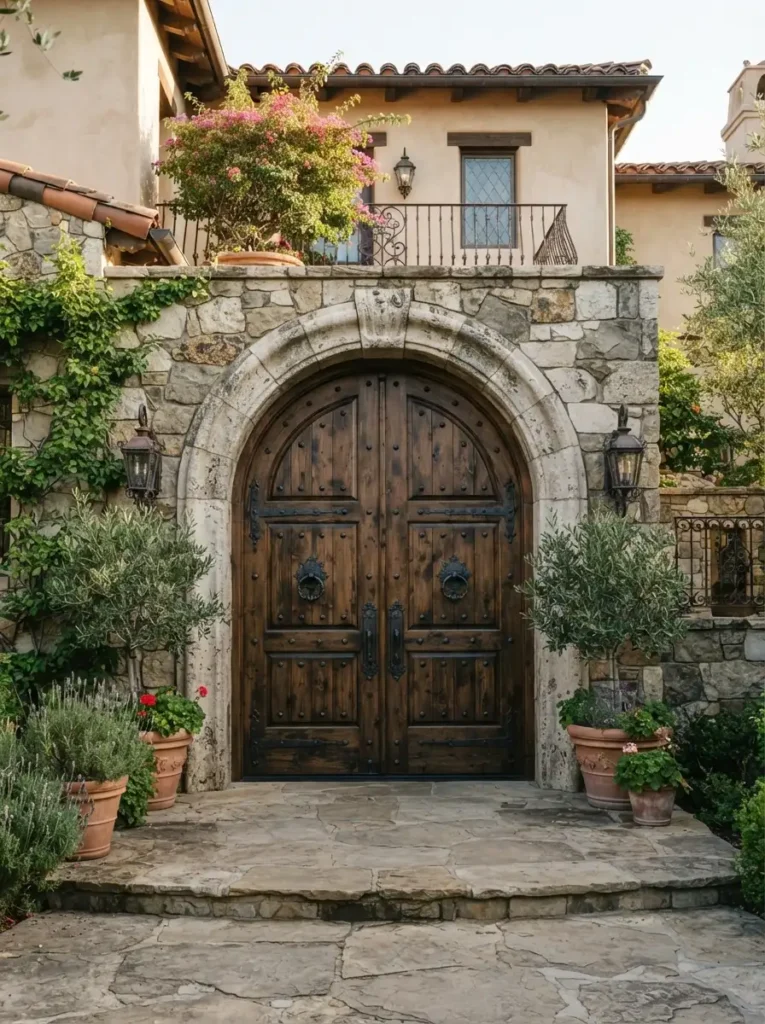
Your front door sets the architectural tone for the entire house. A flimsy, modern fiberglass door will immediately break the illusion of an Italian estate. Instead, invest in a massive, heavy, solid wood custom entry door.
Look for knotty alder, dark mahogany, or white oak that has been wire-brushed or distressed to look centuries old. Arched double doors are particularly striking. To maximize the Mediterranean charm, adorn the wood with heavy, hand-forged iron hardware: oversized ring pulls, decorative clavos (metal nail heads), and perhaps a small, iron-grated “speakeasy” window at eye level. This creates an entrance that feels fortified, grand, and historically rich.
9. Romantic Climbing Vines and Trellises
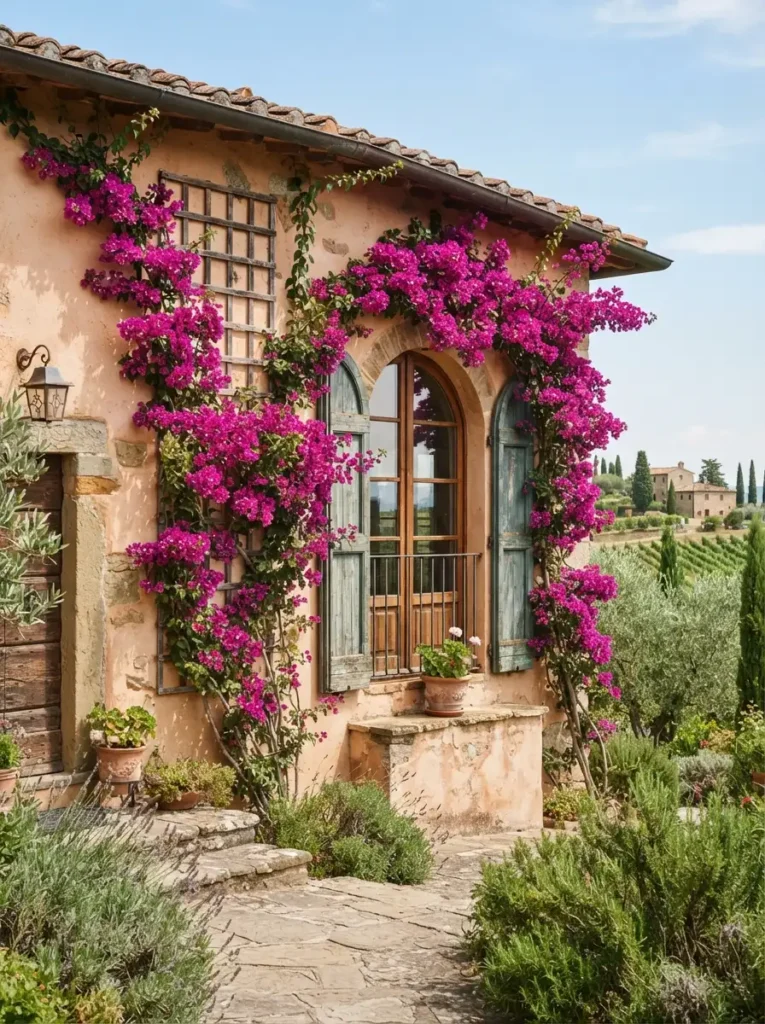
In Italian design, landscaping and architecture are not separate entities; they physically embrace one another. One of the most romantic exterior ideas is to allow nature to intentionally overtake portions of the facade through the use of climbing vines.
Install heavy-duty iron or wooden trellises against blank stucco walls, or simply allow self-clinging vines to travel up stone chimneys and around arched doorways. Bougainvillea, with its vibrant magenta blooms, is iconic in coastal Italian villas. Star jasmine provides evergreen foliage and an intoxicating scent, while Boston ivy offers lush summer greens that turn brilliant crimson in the autumn. This botanical integration makes the home look beautifully anchored to the earth.
10. Covered Loggias and Porticos
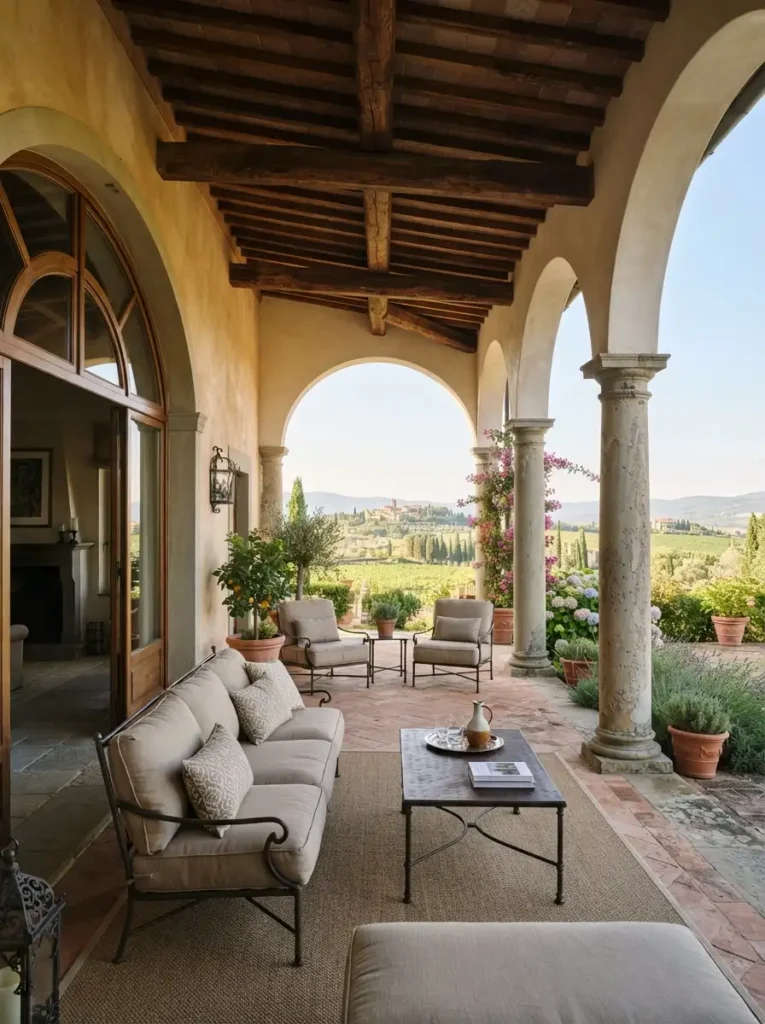
The Italian love for outdoor living gave rise to the loggia—a covered exterior gallery or corridor that is open to the elements on at least one side, typically supported by a series of columns or arches.
Incorporating a loggia or a front portico into your home’s exterior provides a deeply shaded, luxurious transition zone between the indoors and the yard. The ceiling of the loggia is just as important as the walls; finish it in a herringbone brick pattern or exposed, rough-sawn wooden beams. Furnish this space with comfortable, oversized outdoor lounge pieces, creating a permanent, protected alfresco living room that can be enjoyed regardless of the glaring sun or passing rain.
11. Terraced Landscaping and Retaining Walls
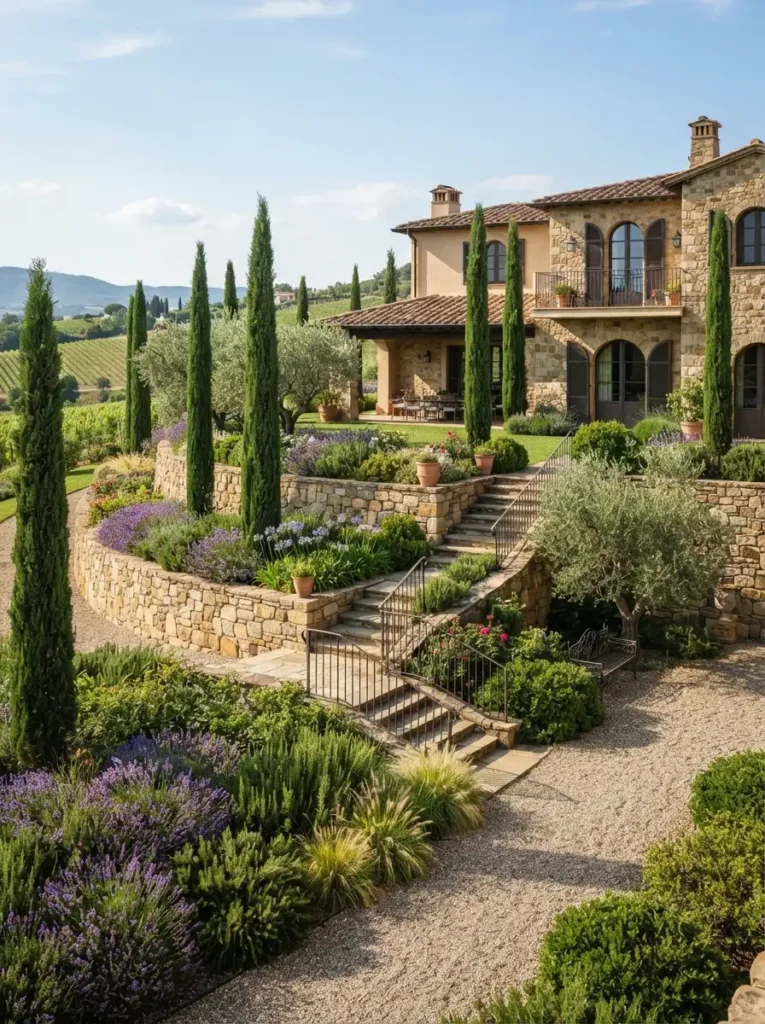
Italian topography is famously hilly and uneven, which led to the historical necessity of terraced farming and terraced gardens. If your property has any sort of slope, leaning into this terraced look is a brilliant way to capture the Mediterranean aesthetic.
Use natural, dry-stacked stone retaining walls to carve out flat, tiered levels in your front or backyard. Line these terraces with iconic Italian flora: tall, slender Italian Cypress trees that act as architectural pillars, silver-leafed olive trees, and sprawling mounds of fragrant lavender and rosemary. The terraced approach adds massive visual depth and vertical interest to the home’s exterior setting.
12. Exposed Wooden Eaves and Corbels
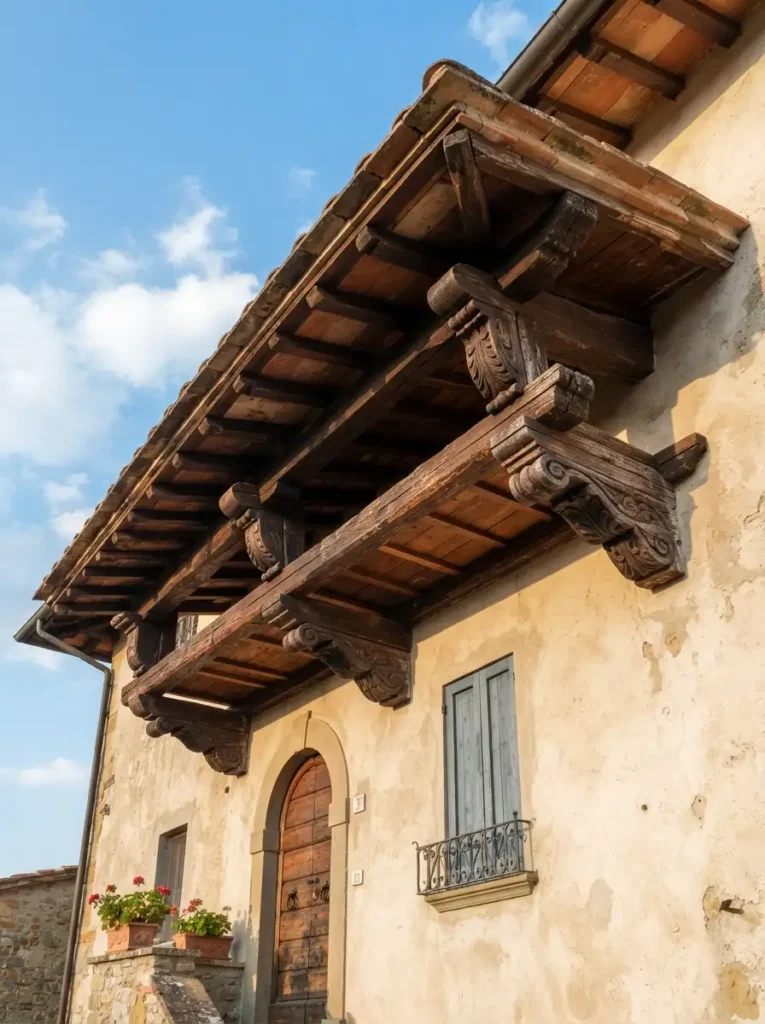
Modern homes often hide the structural components of the roof behind seamless aluminum soffits and fascias. Authentic Italian exteriors, however, celebrate the structural mechanics of the home by leaving the wooden roof eaves completely exposed.
Extending the roofline to create deep overhangs protects the stucco walls from harsh rain and sun. Underneath these overhangs, expose the heavy, rustic wooden rafter tails. For an even more luxurious touch, add large, decorative wooden brackets (corbels) to support the eaves. Stained in a dark, rich walnut or espresso color, this exposed timber creates a striking visual contrast against the light plaster walls and adds a level of artisanal carpentry that defines high-end design.
13. Classic Mediterranean Color Blocking
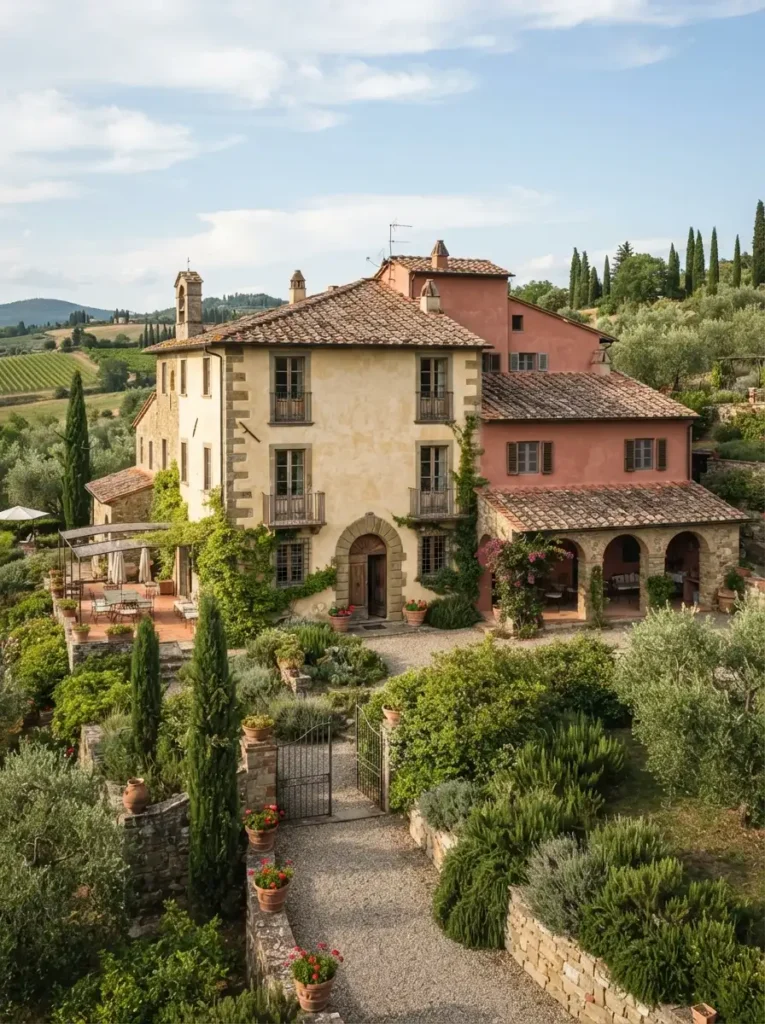
While monochromatic exteriors are beautiful, large Italian villas and farmhouses historically expanded over generations. This led to different wings or sections of the house being finished in slightly different colors or materials, creating a charming, piecemeal aesthetic.
You can replicate this historical evolution through deliberate color blocking or material blocking. For example, you might finish the main, central body of the house in a warm, buttery cream limewash, while painting a newly added wing or an attached garage in a muted terracotta or dusty sage. Alternatively, you can clad one prominent architectural tower entirely in stone while leaving the rest of the home in stucco. This technique breaks up massive, boring facades and gives the home a curated, historical narrative.
14. Pebble and Cobblestone Driveways
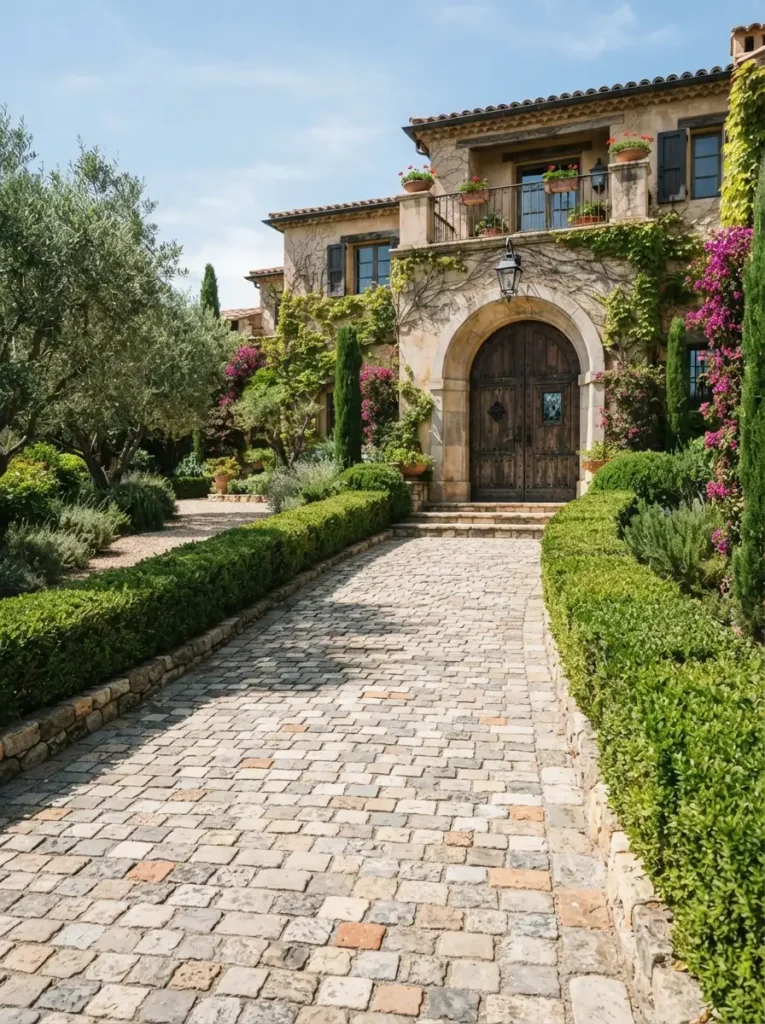
The approach to your home is the first chapter of the architectural story. A massive, flat slab of poured grey concrete is a harsh, modern disruption to an otherwise romantic Italian exterior.
To maintain the old-world charm, rethink your hardscaping. A driveway paved in antique cobblestones, reclaimed brick, or natural tumbled pavers immediately sets a European tone. If a fully paved driveway is out of budget, consider a crushed limestone or pea gravel driveway bordered by cobblestones. The satisfying, audible crunch of tires or footsteps on gravel is a sensory hallmark of approaching a grand countryside estate in Tuscany or Umbria.
15. Intricate Tile Accents and Mosaics
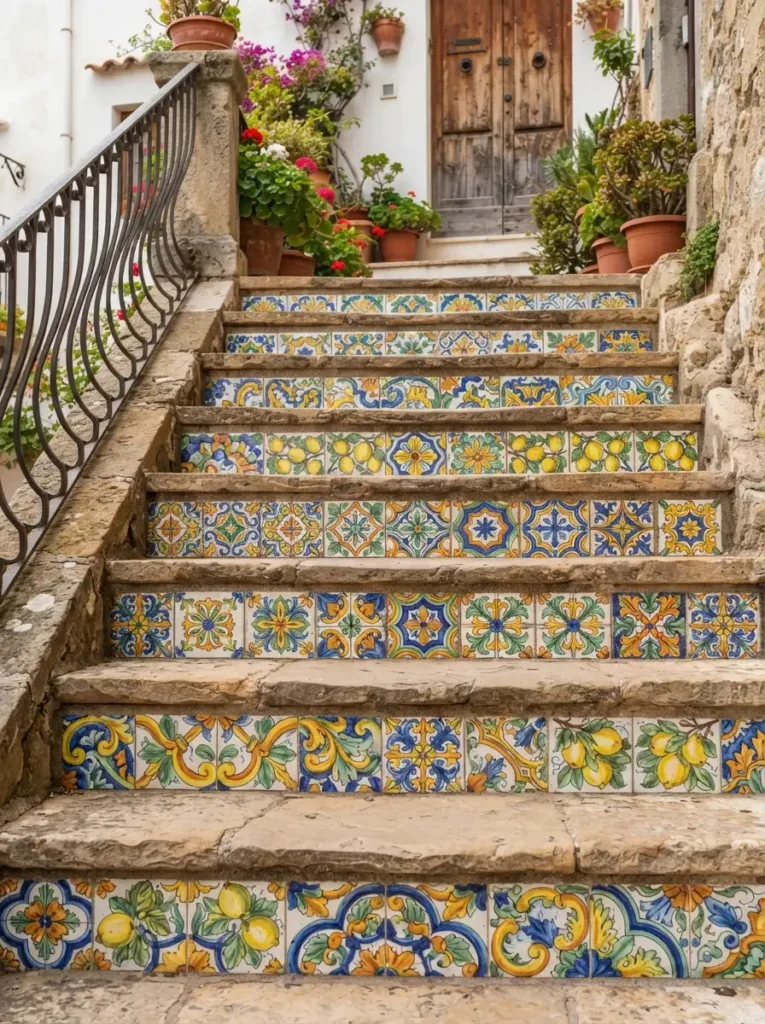
While the overall palette of an Italian home is generally earthy and subdued, moments of brilliant, intricate color are introduced through the use of hand-painted ceramics and mosaics.
Consider embedding traditional majolica tiles (vibrant, tin-glazed pottery featuring intricate geometric or botanical patterns in blues, yellows, and greens) into specific exterior elements. You can apply these patterned tiles to the vertical risers of your front entry stairs, as a decorative border around an arched window, or as the backing for a wall-mounted fountain in your courtyard. These small, jewel-like flashes of color provide a highly bespoke, artistic finishing touch that screams bespoke luxury.
Lighting the Italian Exterior
After implementing these incredible architectural features, you must ensure they are properly showcased after the sun goes down. Lighting an Italian exterior requires a delicate, highly intentional touch. Avoid harsh, ultra-bright white LED floodlights at all costs. Instead, aim for warm, golden-hued ambient lighting (around 2700K temperature).
Mount heavy, wrought iron lantern sconces on either side of the heavy wooden front door. Use hidden, ground-level uplighting to wash the natural stone walls and highlight the textures of the masonry. Place narrow beam uplights at the base of tall Cypress trees to turn them into glowing architectural columns against the night sky. The goal is to create a moody, romantic, and inviting glow that makes the home feel like a warm beacon in the Mediterranean twilight.
Final Thoughts
Transforming a house into a timeless Italian retreat is an exercise in restraint, reverence for history, and an appreciation for raw, authentic materials. It is about prioritizing heavy, tactile textures—like rough stone, warm terracotta, and wrought iron—over sleek, sterile, mass-produced finishes.
By integrating these 15 Italian house exterior ideas, you are doing much more than updating your curb appeal. You are creating a home that tells a story, a sanctuary that ages gracefully, and a breathtaking architectural masterpiece that captures the enduring romance, luxury, and timeless charm of the Mediterranean coast.