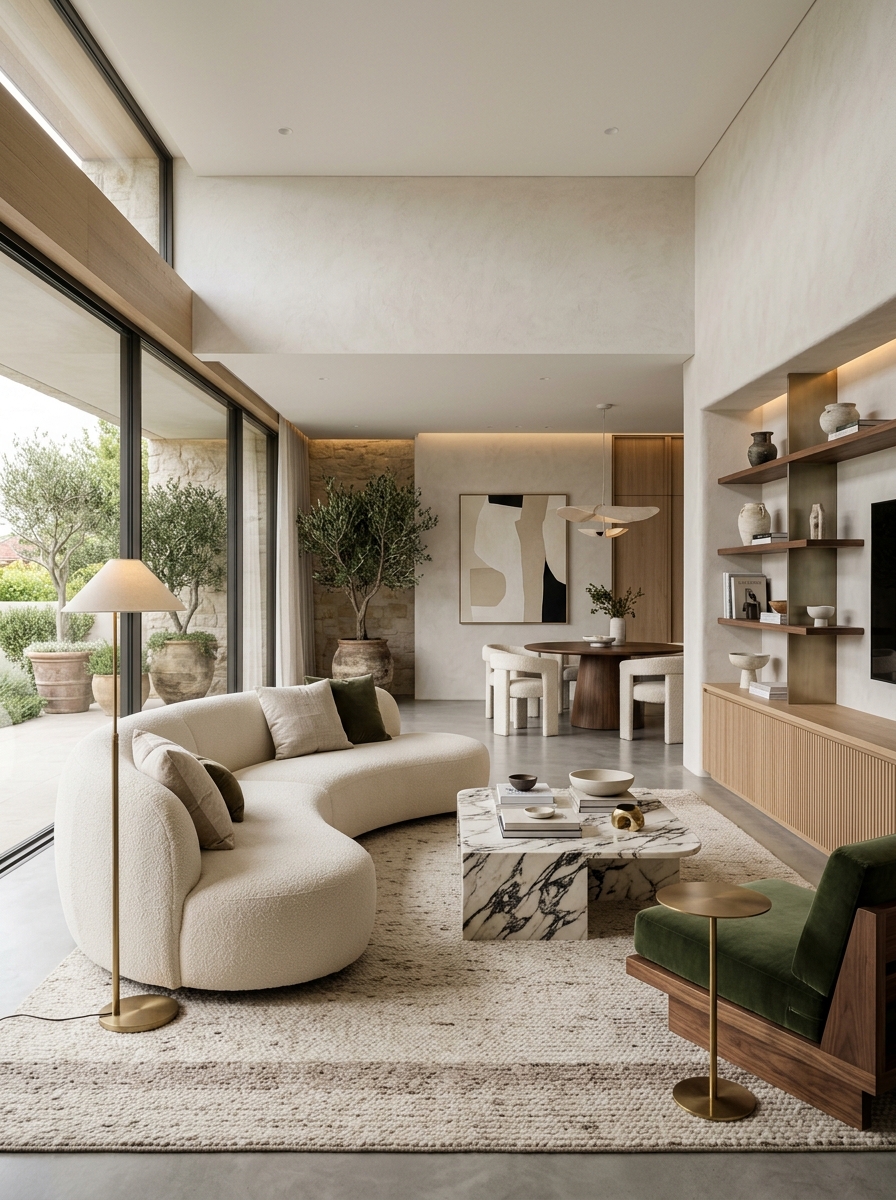
Our homes have undergone a radical transformation in recent years. No longer just places where we begin and end our days, our living spaces have evolved into multidimensional sanctuaries. They are our offices, our entertainment hubs, our personal retreats, and our gathering spaces. As our lifestyles have shifted, so too has the furniture we fill our rooms with. Today’s design landscape is a masterclass in balance—marrying the organic with the engineered, the vintage with the futuristic, and the minimal with the deeply comforting.
Modern furniture design is currently focused on creating environments that feel bespoke, intentional, and intimately attuned to our daily needs. The harsh, rigid lines of ultra-modernism have given way to something much warmer, softer, and more inviting. If you are looking to elevate your living space, renovate a room, or simply add a few updated pieces to your home, understanding the current currents of interior design is essential.
Here is a deep dive into 24 distinct, modern furniture ideas and trends that are reshaping how we live, work, and relax in our homes today.
1. The Rise of the Curvilinear Sofa
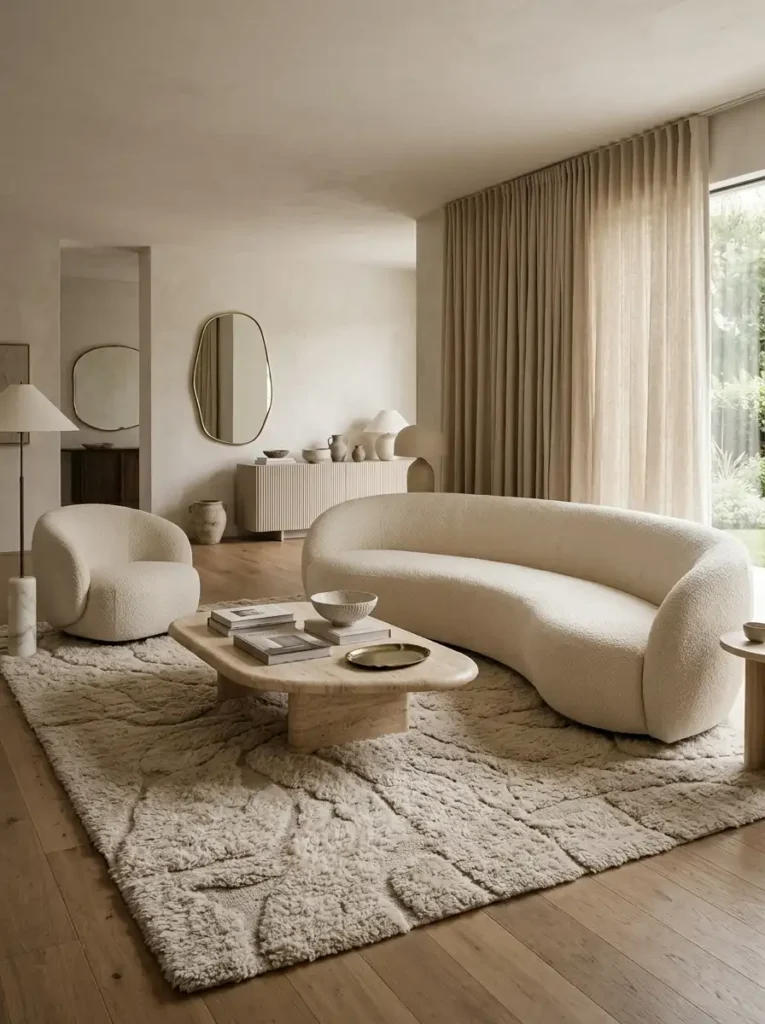
Gone are the days of rigid, sharp-angled couches that dictate a strict, formal layout. The modern living room has been entirely softened by the arrival of the curvilinear sofa. Characterized by sweeping arcs, rounded backs, and an almost sculptural presence, these pieces invite a sense of flow and organic movement into a room. Often upholstered in highly tactile fabrics like bouclé or plush shearling, a curved sofa acts as a room’s visual centerpiece, encouraging intimate conversation and deep relaxation. By removing harsh corners, this trend naturally makes spaces feel more welcoming and breaks up the boxy, predictable dimensions of standard architecture.
2. Tactile Fluted and Ribbed Detailing
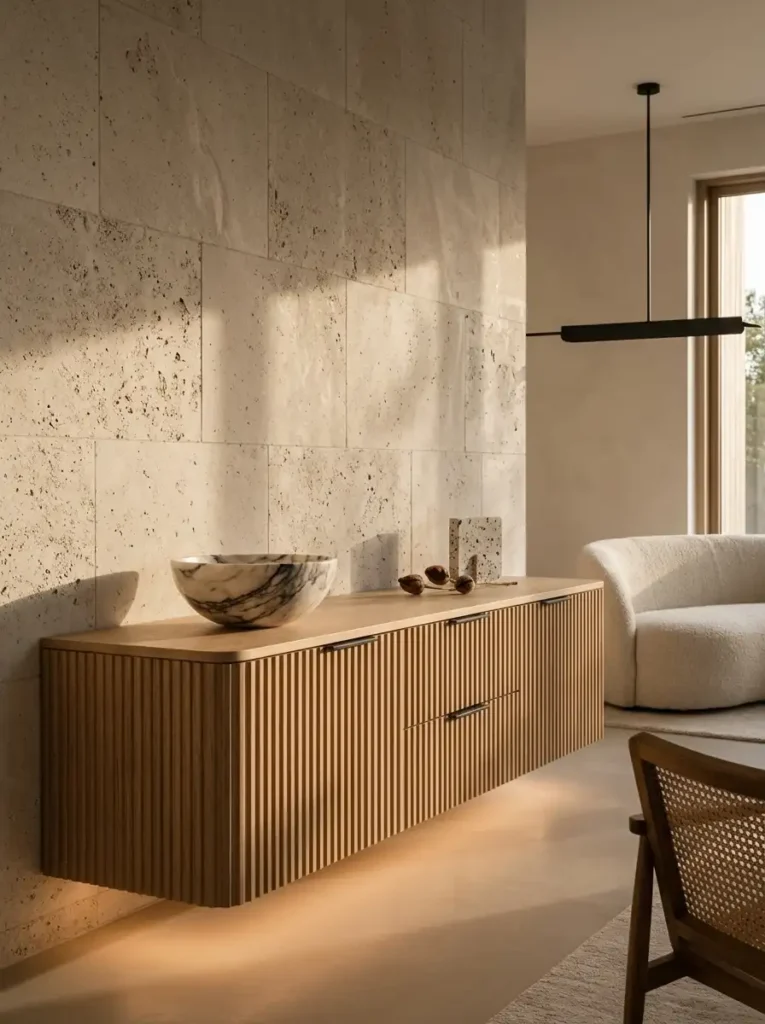
Texture has become just as important as color in modern interiors, and fluted detailing is leading the charge. Also known as tambour wood, this ribbed texture features closely spaced, vertical cylindrical slats. You will spot this architectural detail wrapping around kitchen islands, gracing the sliding fronts of media consoles, and elevating simple dining sideboards. The true beauty of fluted furniture lies in its ability to play with light and shadow throughout the day, adding three-dimensional depth to otherwise flat surfaces. It provides a subtle nod to Art Deco glamour while remaining firmly rooted in contemporary minimalism.
3. Boldly Veined Statement Marble
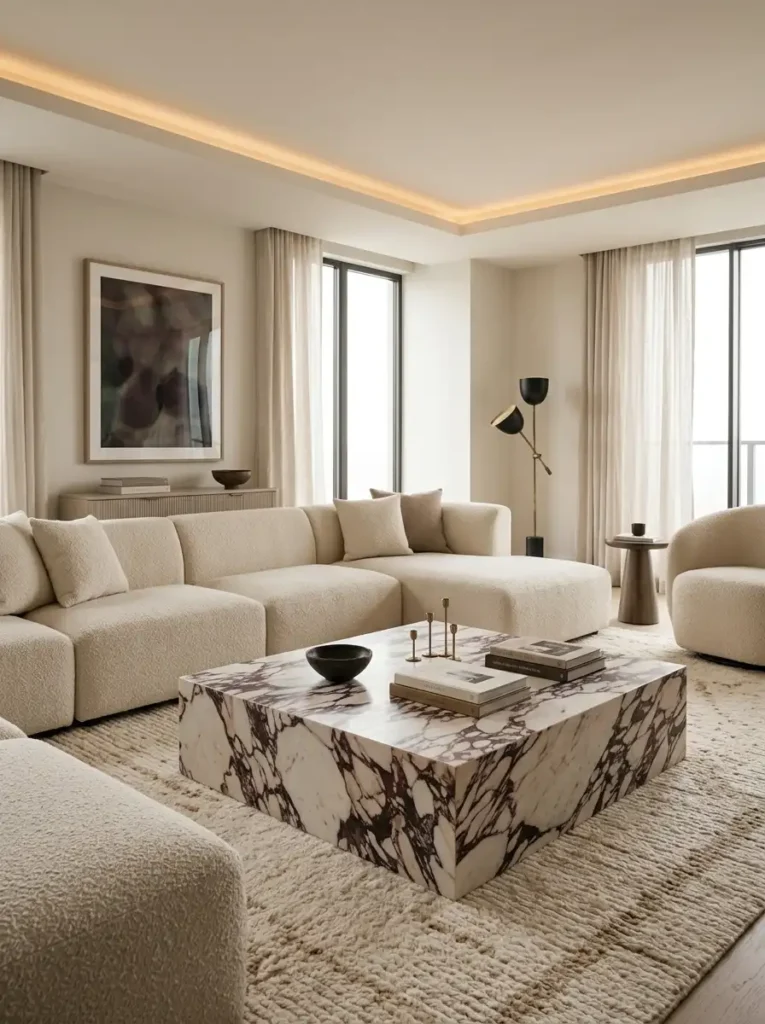
While white Carrara marble will always be a classic, modern furniture is embracing the drama of boldly veined, highly saturated stones. Think Calacatta Viola with its rich burgundy and purple striations, or dark Nero Marquina with striking white lightning-bolt veins. Rather than reserving these spectacular stones for kitchen counters, designers are bringing them into the living room as solid, plinth-style coffee tables, heavy side tables, and even dining tables. These pieces act as natural art installations, anchoring a room with a sense of earthy permanence and undeniable luxury.
4. The Grounding Force of Japandi Minimalism
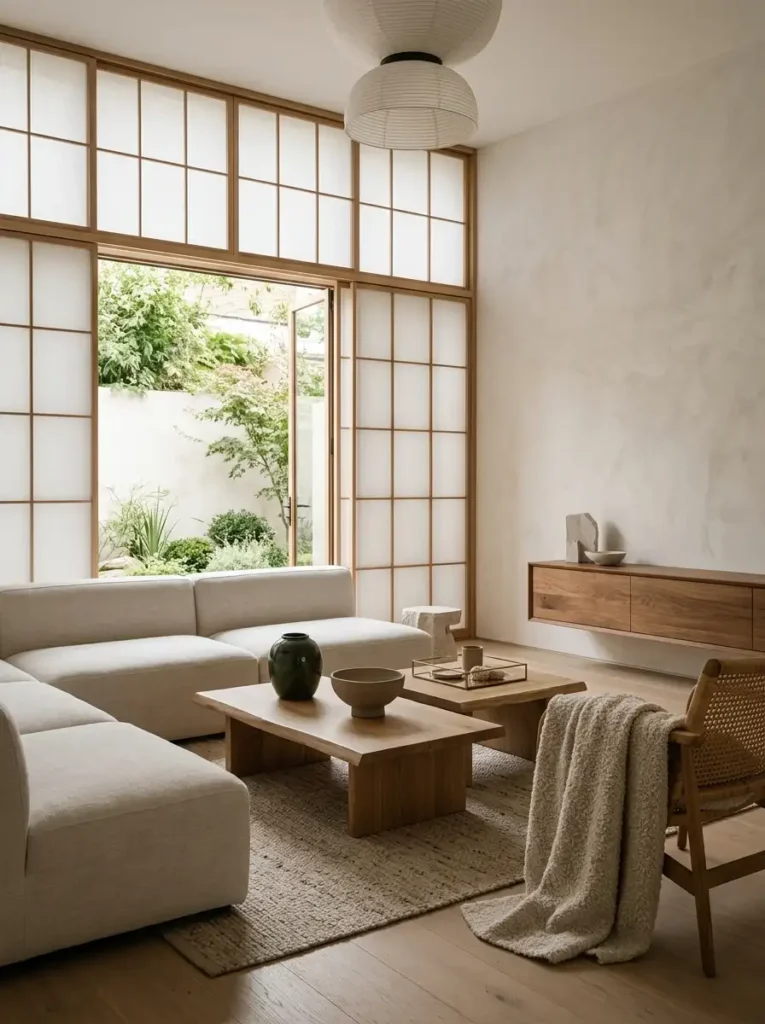
Merging the cozy, rustic elements of Scandinavian design with the elegant, functional minimalism of Japanese interiors, the Japandi aesthetic has taken the furniture world by storm. Japandi furniture is characterized by clean lines, light woods (like ash and white oak), and an absence of unnecessary ornamentation. Pieces are often set lower to the ground, fostering a sense of grounded tranquility. A Japandi-inspired living space eliminates visual clutter, favoring a few high-quality, beautifully crafted items over a room packed with accessories. It is the ultimate trend for those seeking a peaceful, zen-like home environment.
5. Matte Black Hardware as the New Neutral
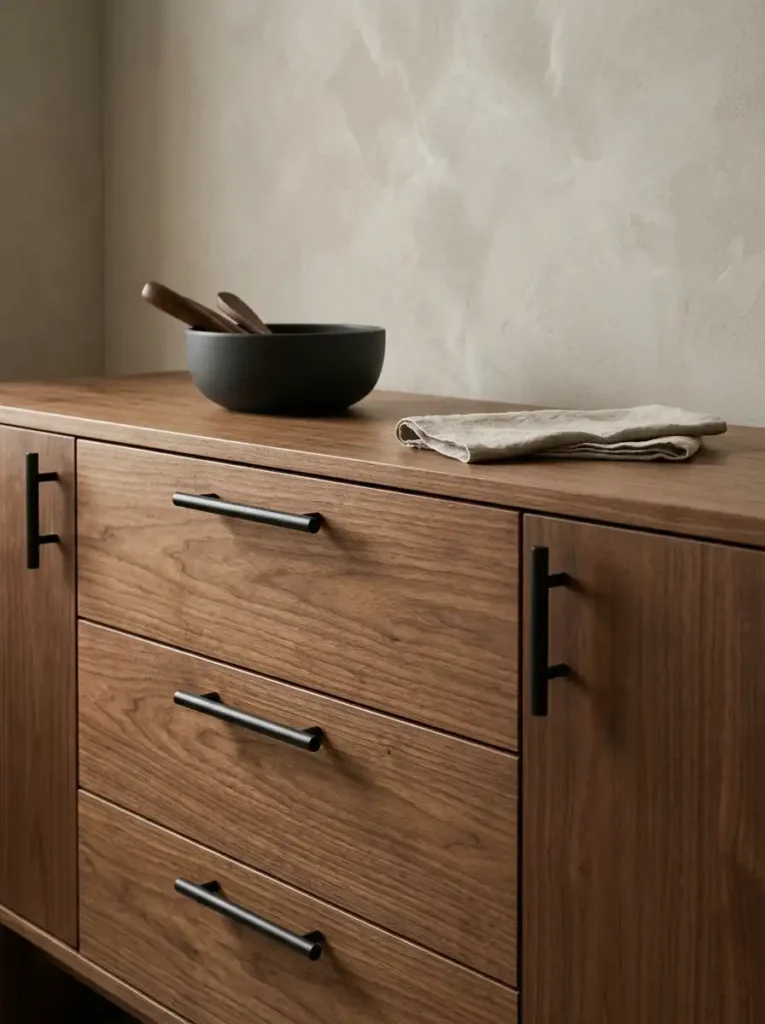
In the realm of furniture finishes, matte black has officially transcended trend status to become a modern neutral. Replacing the ubiquitous brushed nickel of the past, matte black hardware—found on dresser drawer pulls, cabinet hinges, and the exposed metal frames of accent chairs—provides a crisp, high-contrast silhouette. It acts much like eyeliner does for the eyes, outlining shapes and making surrounding colors pop. It bridges the gap between industrial chic and refined modernism, adding a touch of sophisticated edge to any piece of furniture.
6. Biophilic Design and Raw-Edge Wood
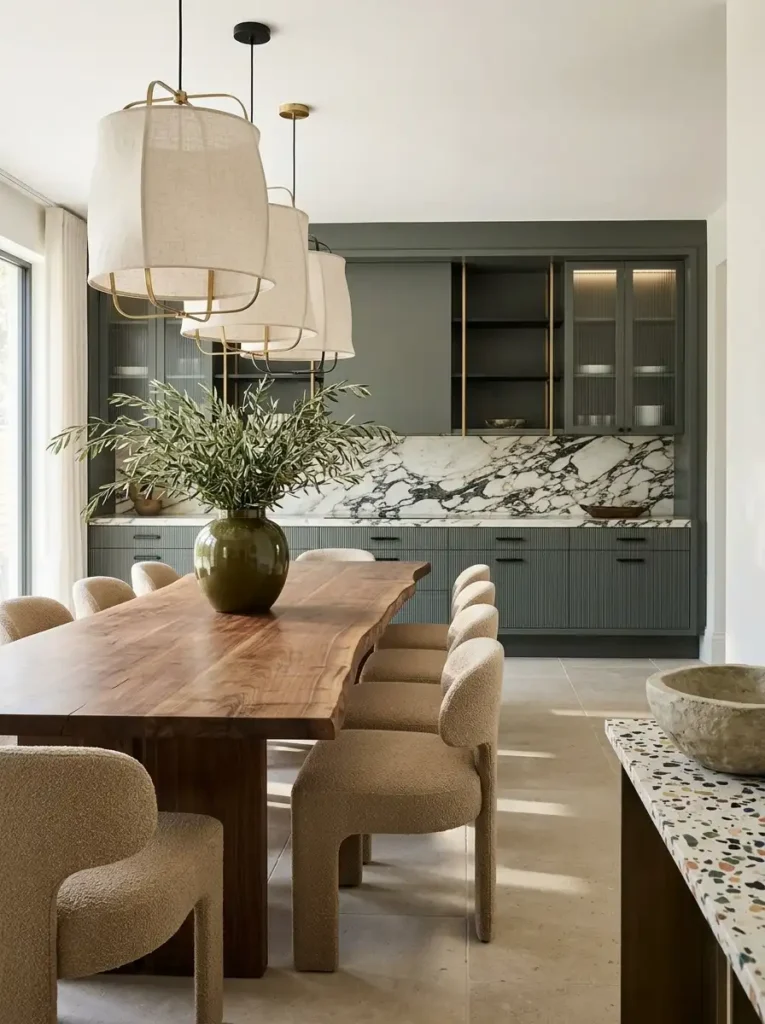
As our lives become increasingly digital and screen-focused, the desire to reconnect with nature has birthed the biophilic design movement. In furniture, this translates to the celebration of raw, unfinished, and organic materials. Live-edge dining tables, where the natural, wavy bark line of the tree is preserved, have become incredibly popular. These pieces bring the outdoors inside, ensuring that no two tables are exactly alike. When paired with sleek, modern dining chairs, the contrast between the wildness of the wood and the manufactured precision of the chairs creates a perfectly balanced aesthetic.
7. Uncompromising Flexibility with Modular Seating
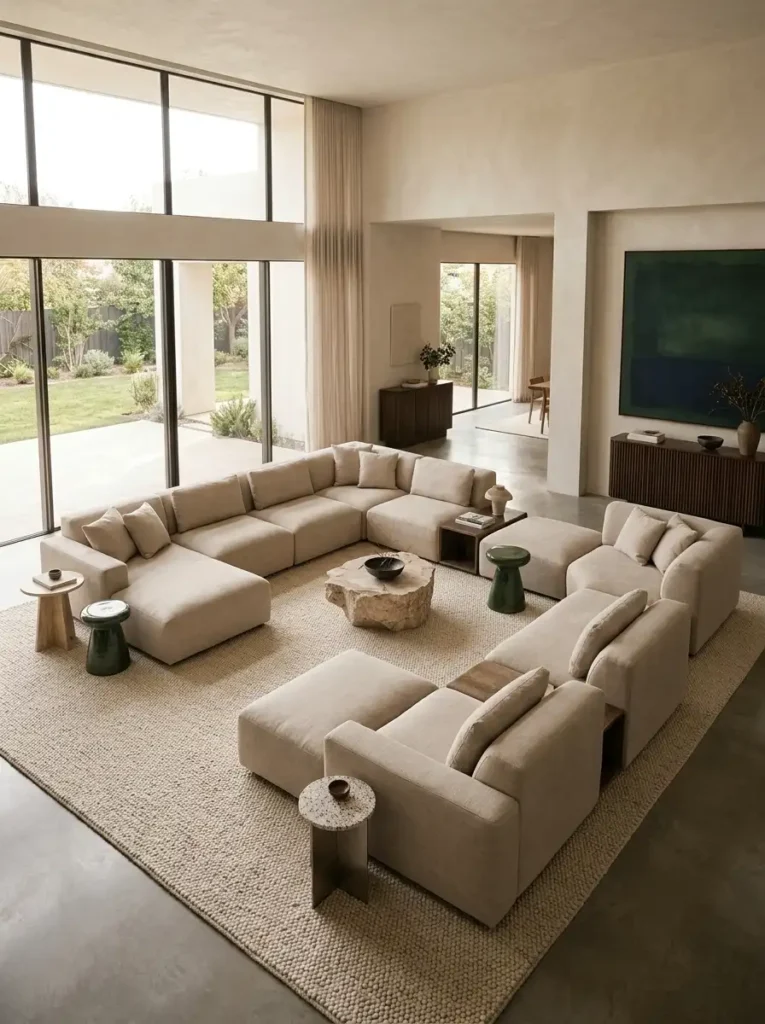
Modern life requires adaptability, and our furniture is rising to the occasion. Modular seating systems consist of individual pieces—corner units, armless chairs, and ottomans—that can be easily snapped together or pulled apart. Whether you need a massive, U-shaped sectional for a family movie night, or broken-up individual seating for a cocktail party, modular furniture allows you to endlessly reconfigure your layout. This trend highlights a shift toward highly functional, user-centric design that evolves with your lifestyle rather than restricting it.
8. The Shift Toward Upcycled and Bio-Fabricated Materials
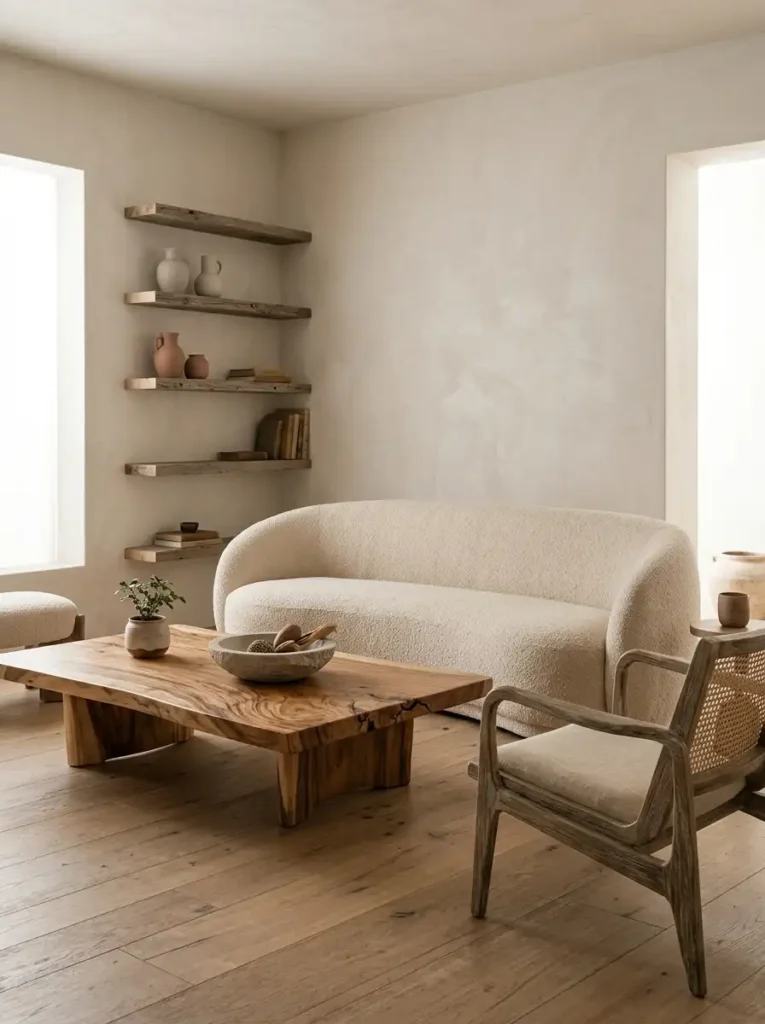
Sustainability is no longer a niche market; it is a primary driver of modern design. Consumers are actively seeking furniture made from upcycled, recycled, and bio-fabricated materials. We are seeing incredibly chic, modern lounge chairs spun from recycled ocean plastics, and coffee tables cast from reclaimed industrial waste. Furthermore, designers are experimenting with mycelium (mushroom roots) and compressed agricultural byproducts to create biodegradable furniture pieces. This trend proves that eco-conscious choices do not have to come at the expense of high-end aesthetics.
9. A Nostalgic ’70s Velvet Revival
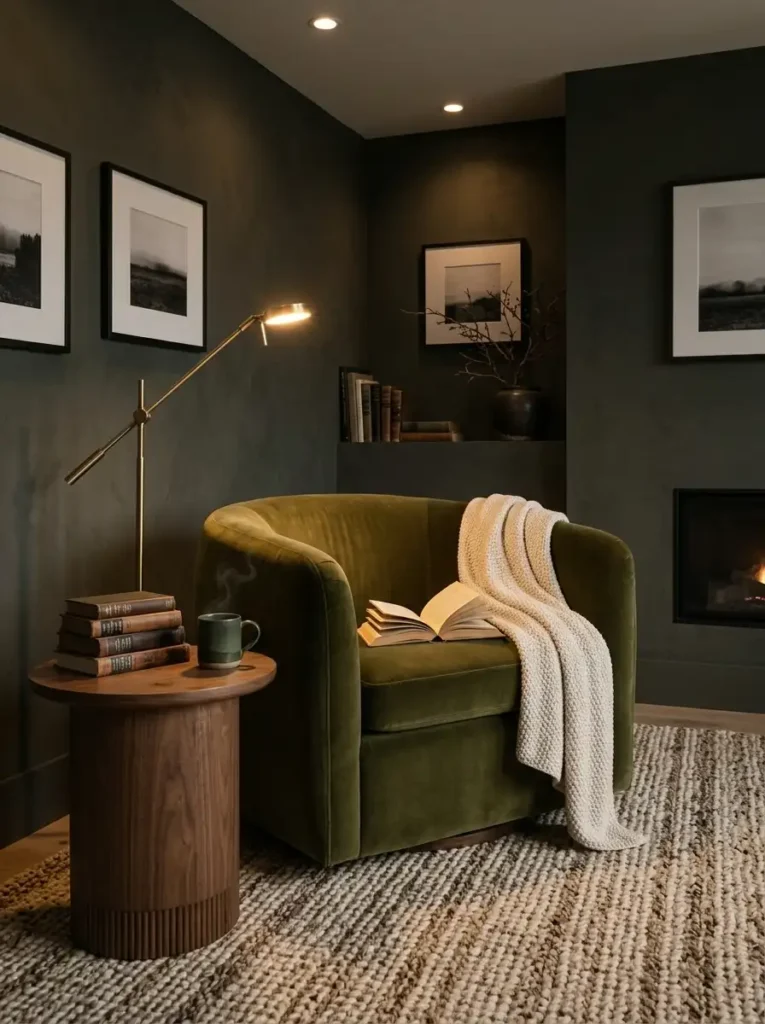
Everything cyclical eventually returns, and the warmth of the 1970s is having a major revival in modern furniture. However, this is not the kitschy ’70s of the past. Today’s iteration takes the best colors of the decade—mustard yellows, burnt oranges, olive greens, and deep terracottas—and applies them to sleek, modern silhouettes. Velvet is the fabric of choice for this trend, offering a plush, light-catching sheen that makes armchairs and sofas look incredibly inviting. It adds a necessary dose of warmth and personality to rooms that might otherwise feel too stark or monochromatic.
10. High-Gloss Ceramic Side Tables as Functional Art
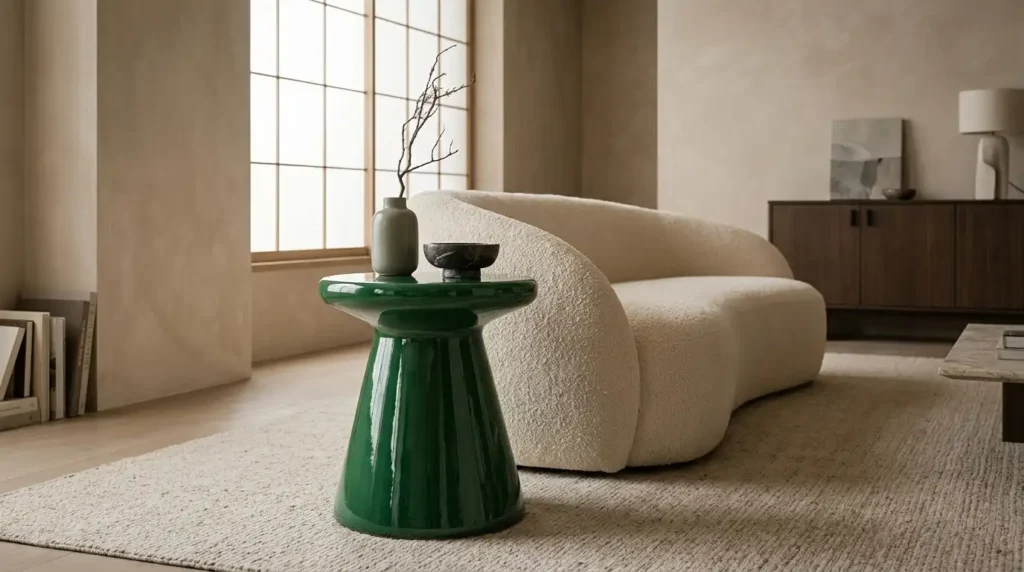
Blurring the line between pottery and furniture, high-gloss glazed ceramic side tables are popping up in modern living rooms everywhere. Often shaped like geometric totems, hourglasses, or oversized chess pieces, these ceramic pedestals serve as perfect drink drops or plant stands. The high-gloss finish reflects light beautifully, while the artisanal, handcrafted nature of the ceramic adds a touch of bespoke craftsmanship. They are easy to move around and offer a brilliant pop of color or texture without a massive commitment.
11. The Textural Warmth of Woven Cane and Rattan
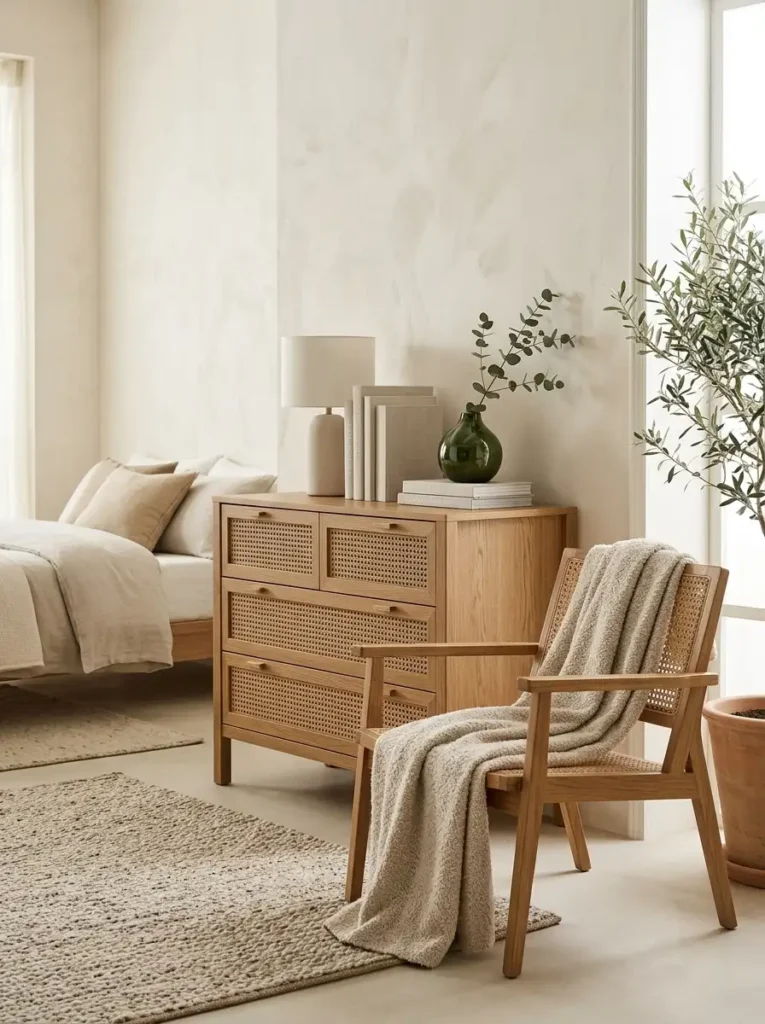
Once relegated to patio furniture and tropical vacation homes, woven cane and rattan have firmly established themselves as staples of modern indoor furniture. You will frequently see cane webbing used on the doors of media consoles, wardrobes, and accent chairs. The airy, open-weave pattern provides a beautiful textural contrast when set against smooth, painted walls or sleek wood frames. It introduces a breezy, relaxed, and slightly bohemian energy into highly tailored spaces, softening the overall look of the room.
12. The Playful Elegance of the Terrazzo Comeback
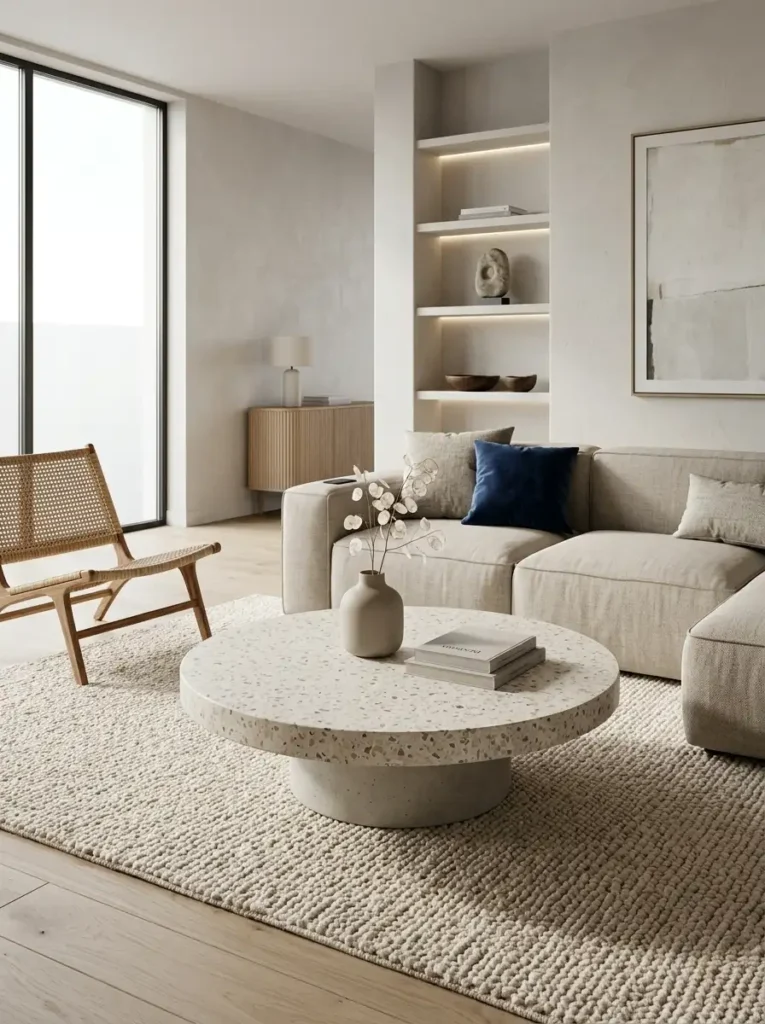
Terrazzo—a composite material poured in place or precast, consisting of chips of marble, quartz, granite, or glass—has migrated from mid-century flooring to contemporary furniture. Modern designers are using terrazzo for coffee tabletops, sideboards, and even lamp bases. What makes terrazzo so appealing today is its playful, speckled appearance, which introduces a confetti-like array of colors into a space. Depending on the size and color of the aggregate chips, terrazzo furniture can look incredibly bold and artistic, or subtle and sophisticated.
13. Spatial Illusions with Floating Storage Solutions
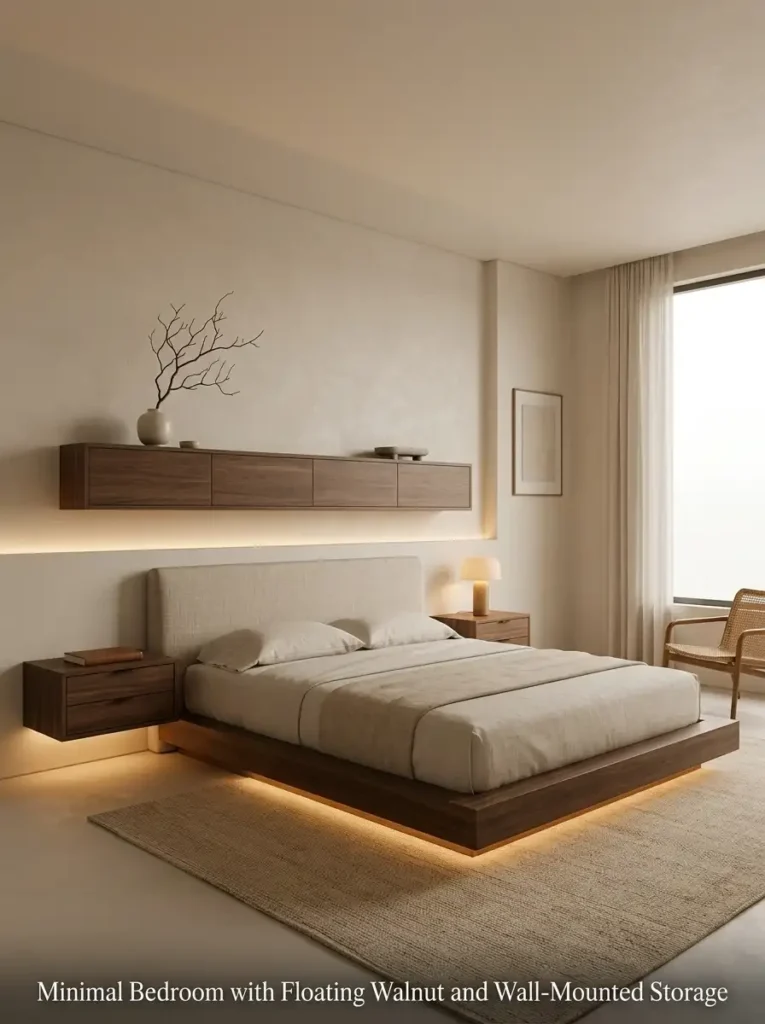
Floor space is a premium, and modern furniture designers are utilizing wall-mounted, “floating” designs to create the illusion of a larger room. Floating nightstands and wall-mounted media consoles attach directly to the wall, leaving the floor underneath completely visible and clear. This unbroken sightline of the floor makes the room feel inherently more spacious and less cluttered. Additionally, floating furniture brings a highly contemporary, hotel-like aesthetic to a home, and makes cleaning and vacuuming underneath an absolute breeze.
14. Grounded Energy via Low-Profile Platform Beds
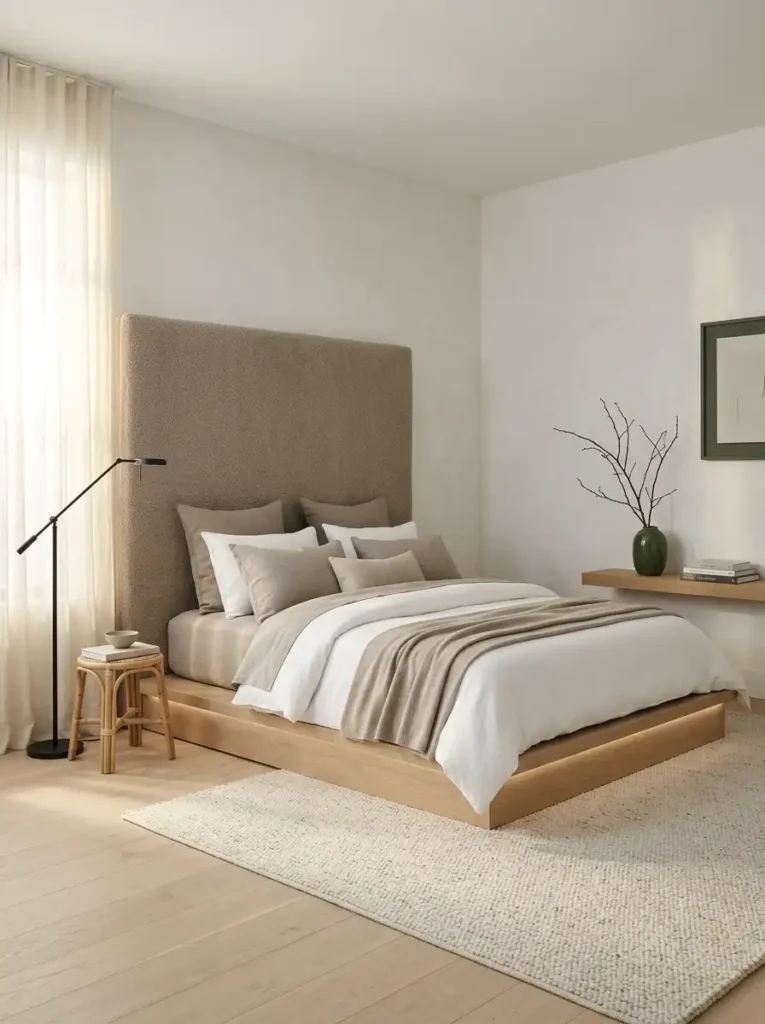
The days of excessively tall, towering box springs and bed frames are fading. The modern bedroom trend favors chunky, low-profile platform beds. Often upholstered in soft fabrics or crafted from solid, thick cuts of wood, these beds sit just inches off the floor. This low-slung profile draws inspiration from Japanese design and creates a grounded, deeply relaxing energy in the bedroom. By keeping the furniture low, the ceilings appear higher, and the room breathes easier, promoting a better environment for rest and decompression.
15. Saturated Jewel-Toned Occasional Chairs
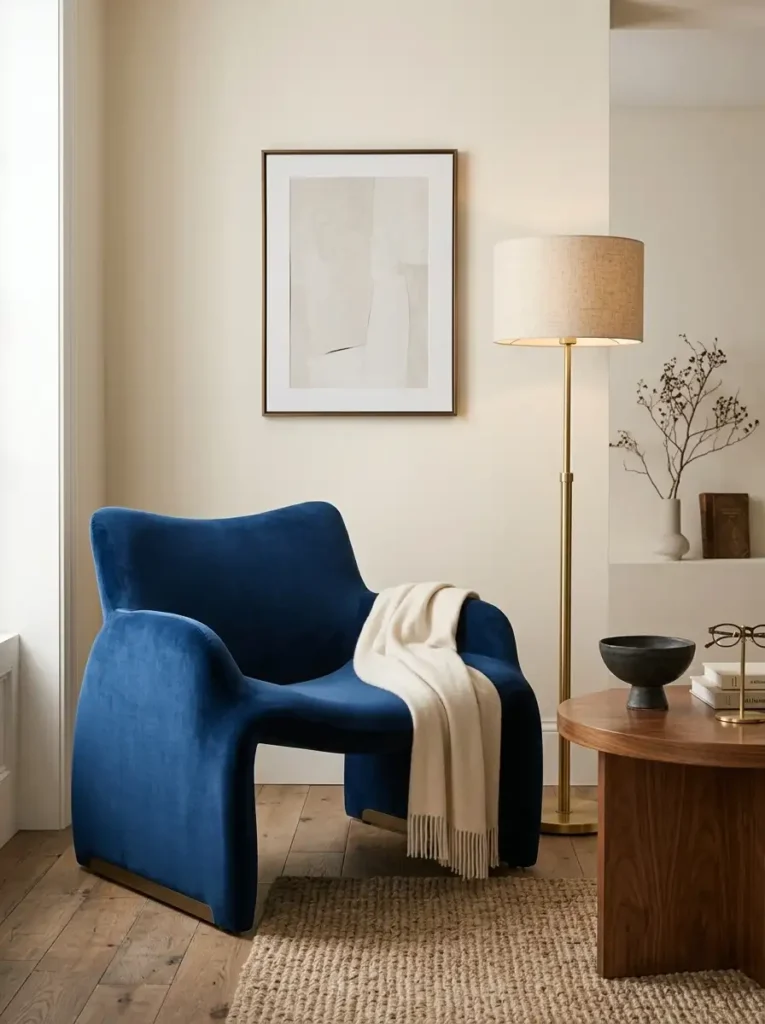
While the primary pieces in a modern home (like the main sofa or dining table) tend to lean toward neutral, earthy tones, occasional chairs are where designers are injecting high-impact color. Jewel tones—think deep emerald greens, rich sapphire blues, and vibrant amethyst purples—are incredibly popular for accent chairs. Placed in a sunny corner or beside a fireplace, a jewel-toned chair acts as a room’s jewelry. It provides a sophisticated flash of color that feels luxurious, curated, and intentionally bold against a more subdued backdrop.
16. Visual Lightness with Acrylic and Lucite
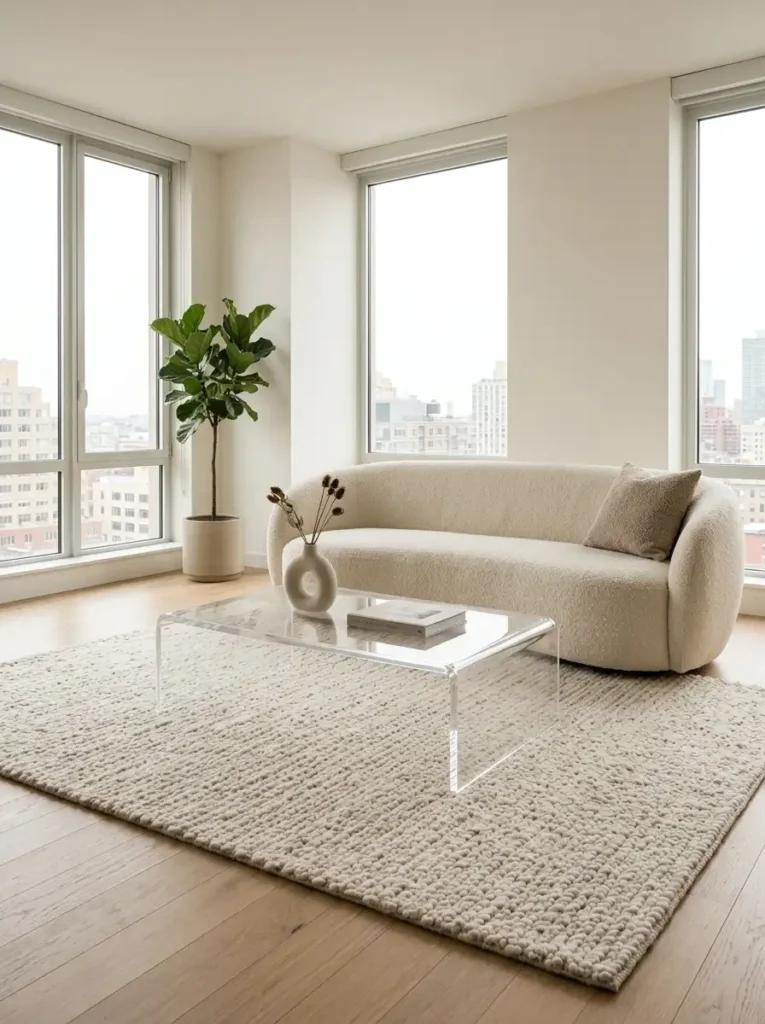
When dealing with smaller spaces or rooms that already feature heavy, solid pieces of furniture, modern design calls upon acrylic and Lucite. Transparent furniture—such as ghost chairs, clear coffee tables, or acrylic console tables—provides absolute visual lightness. These pieces take up zero visual real estate, allowing the eye to pass right through them. They are perfect for showing off a beautiful rug underneath or keeping a narrow hallway from feeling cramped. Furthermore, the light-refracting qualities of thick Lucite add an undeniably chic, futuristic edge.
17. Embracing Imperfection with Wabi-Sabi Raw Stone
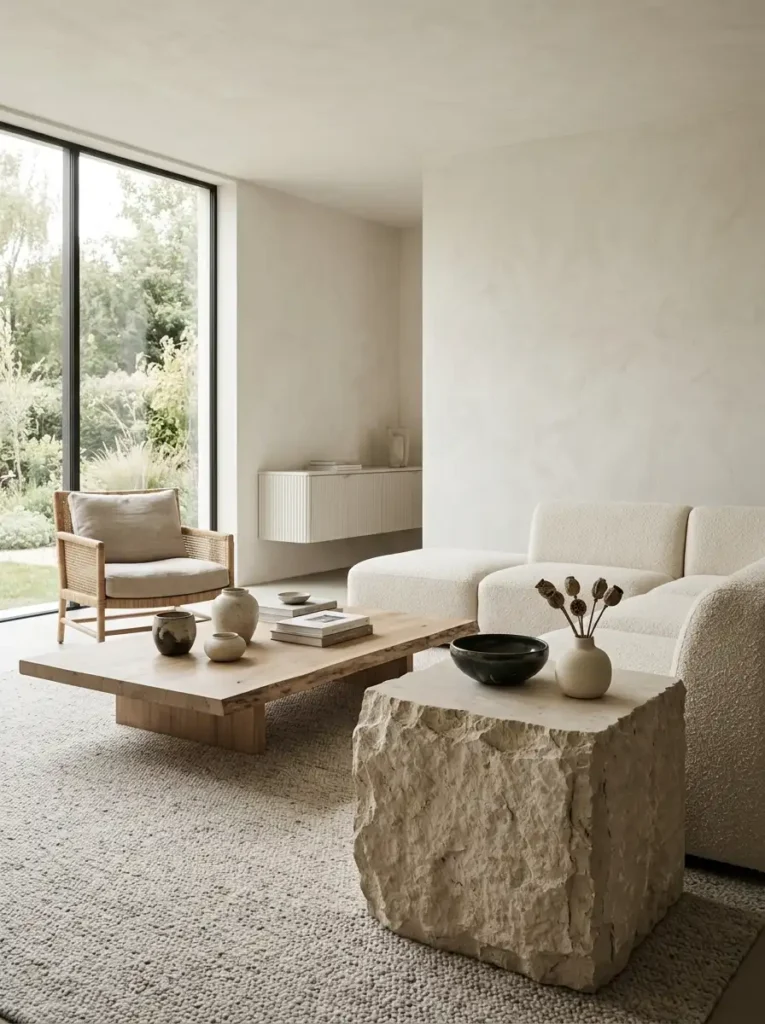
The Japanese philosophy of Wabi-Sabi—finding beauty in imperfection and the natural cycle of growth and decay—has deeply influenced modern furniture. This is most evident in the use of raw, unfinished stone and porous clay. Tables featuring chipped, rough-hewn edges, asymmetric shapes, and unpolished surfaces are celebrated. Instead of striving for factory perfection, these pieces celebrate the unique, organic flaws of the material. They bring a quiet, soulful, and deeply earthy presence into a home, acting as the perfect counterpoint to slick technology.
18. Seamless Living with Tech-Integrated Smart Furniture
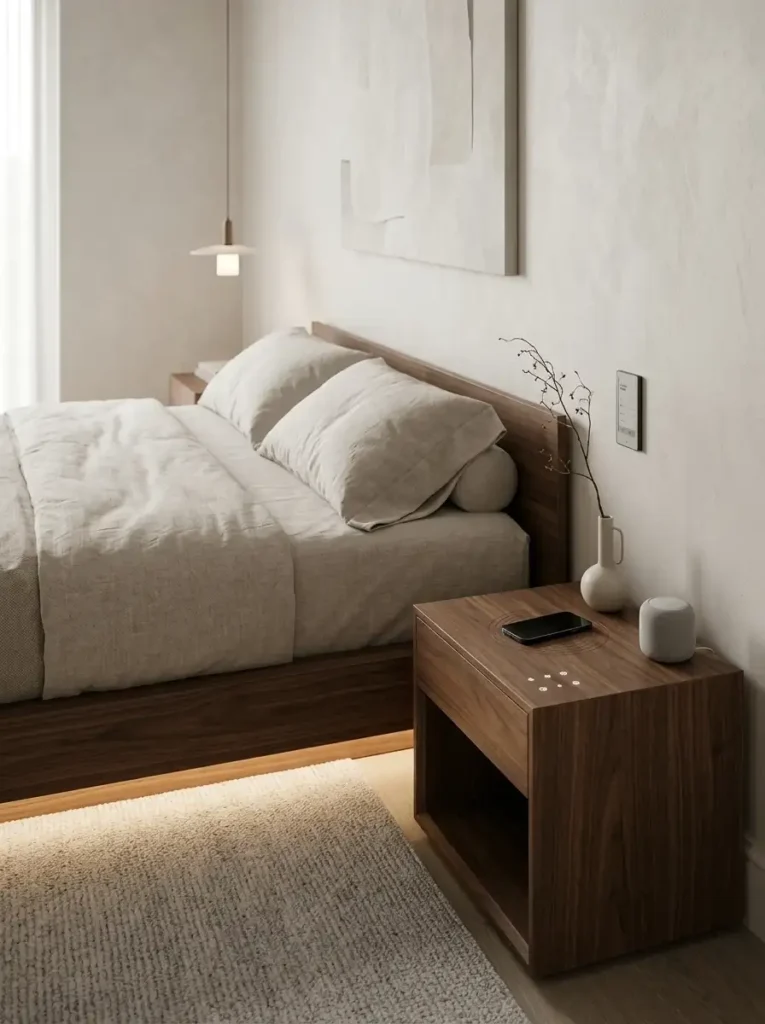
As our homes become smarter, our furniture is hiding the tech. Modern smart furniture integrates technology so seamlessly that it is practically invisible. You can now find minimalist wood side tables with built-in, wireless charging pads hidden just beneath the veneer. Mid-century style credenzas are being built with integrated Bluetooth speaker systems disguised as cabinet doors. Bed frames are featuring motion-sensor under-lighting. This trend ensures that our spaces remain aesthetically pleasing and clutter-free, without sacrificing the technological conveniences of the modern age.
19. Work-Life Balance via the “Invisible” Convertible Desk
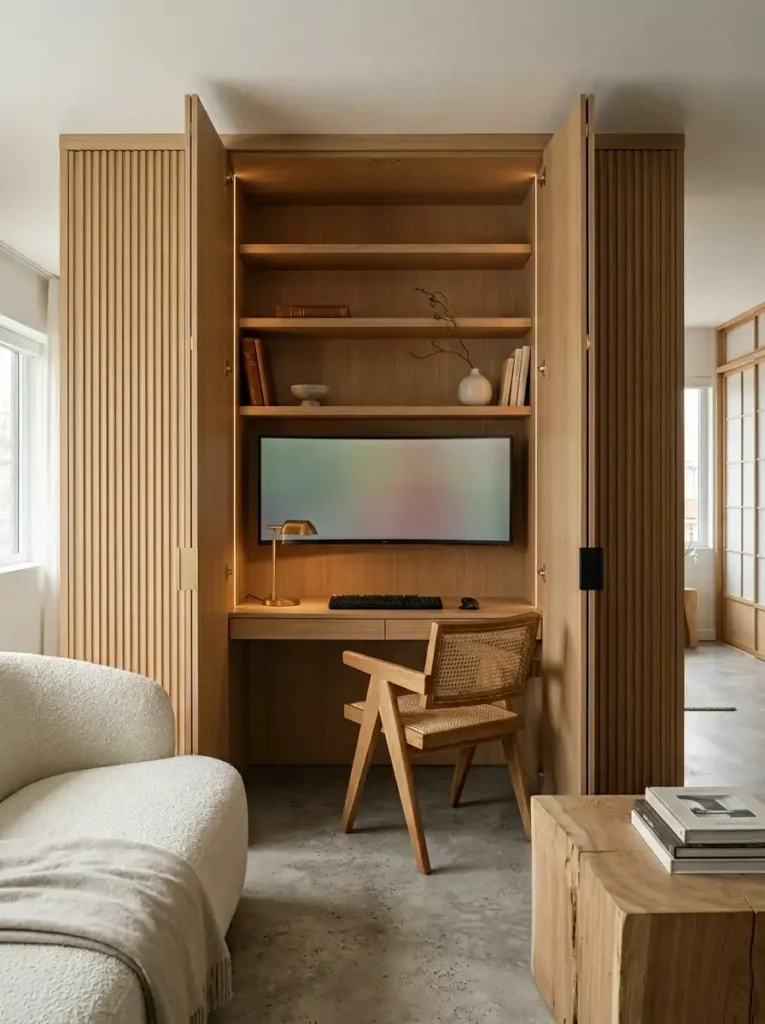
With the permanence of remote and hybrid work environments, the home office is no longer a luxury—it’s a necessity. However, not everyone has a dedicated spare room. Enter the “invisible” convertible desk. Modern designers have created stunning armoires, bookshelves, and sleek wall-mounted cabinets that unfold to reveal fully functional, ergonomic workspaces. At the end of the workday, the desk simply folds away, concealing monitors and paperwork behind beautifully crafted wood panels. This furniture trend is vital for maintaining a healthy work-life balance and reclaiming the home as a place of rest.
20. Subtle Geometry with Checkerboard Inlays
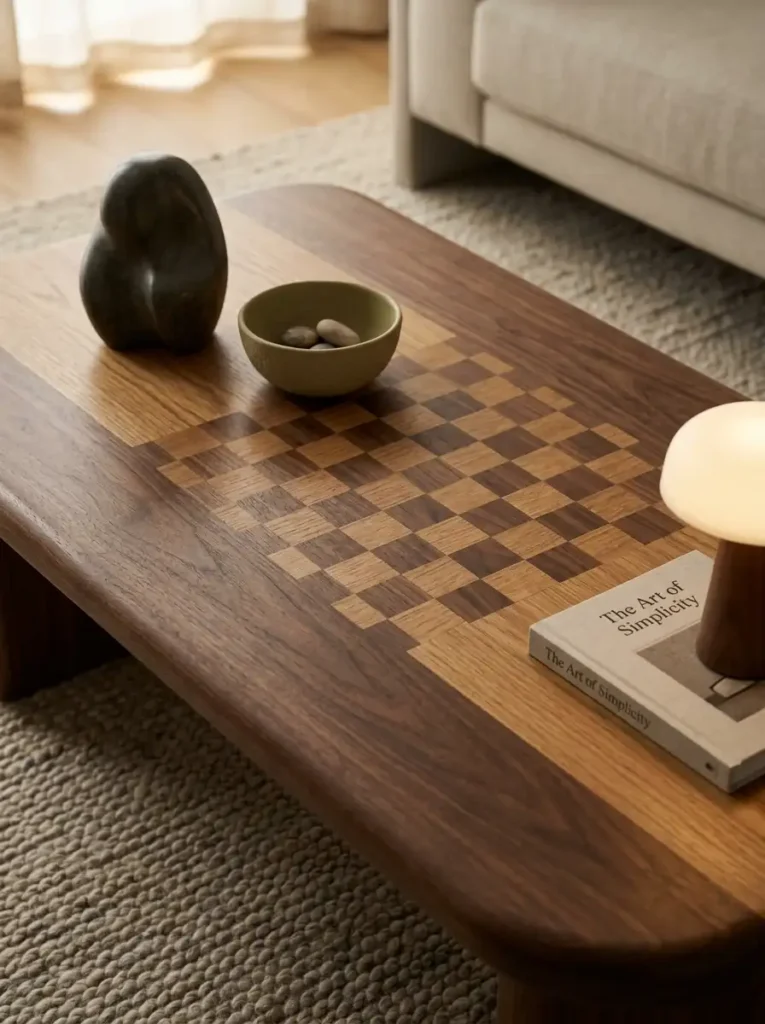
The checkerboard pattern has made a massive resurgence, but in a highly sophisticated, modernized way. Rather than harsh black-and-white diner tiles, this trend appears as subtle geometric inlays on wooden furniture. Imagine a coffee table featuring a checkerboard top made from two slightly different tones of natural walnut and oak, or a Moroccan rug with a muted, tonal grid pattern. This geometric touch adds a layer of visual intrigue and a slightly retro, playful vibe without overwhelming the space.
21. Ultimate Comfort in Oversized “Cloud” Lounge Seating
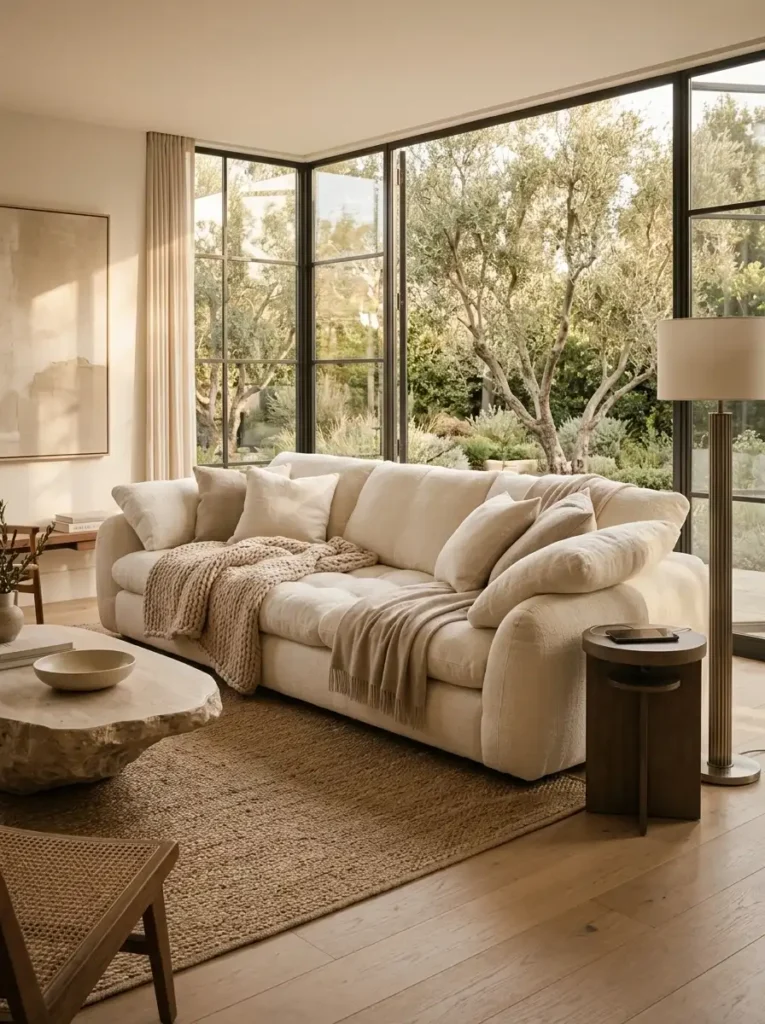
While aesthetics are crucial, the paramount requirement of modern living room furniture is uncompromising comfort. The “cloud” seating trend focuses on oversized, incredibly deep armchairs and sofas filled with down or premium memory foam. These pieces are designed less for sitting upright and more for sinking into, curling up, and lounging. Featuring wide, pillow-like armrests and relaxed, slipcovered fabrics like washed linen, these oversized pieces prioritize tactile comfort, transforming the living room into the ultimate sanctuary for relaxation.
22. Industrial Elegance Through Mixed Metal Shelving
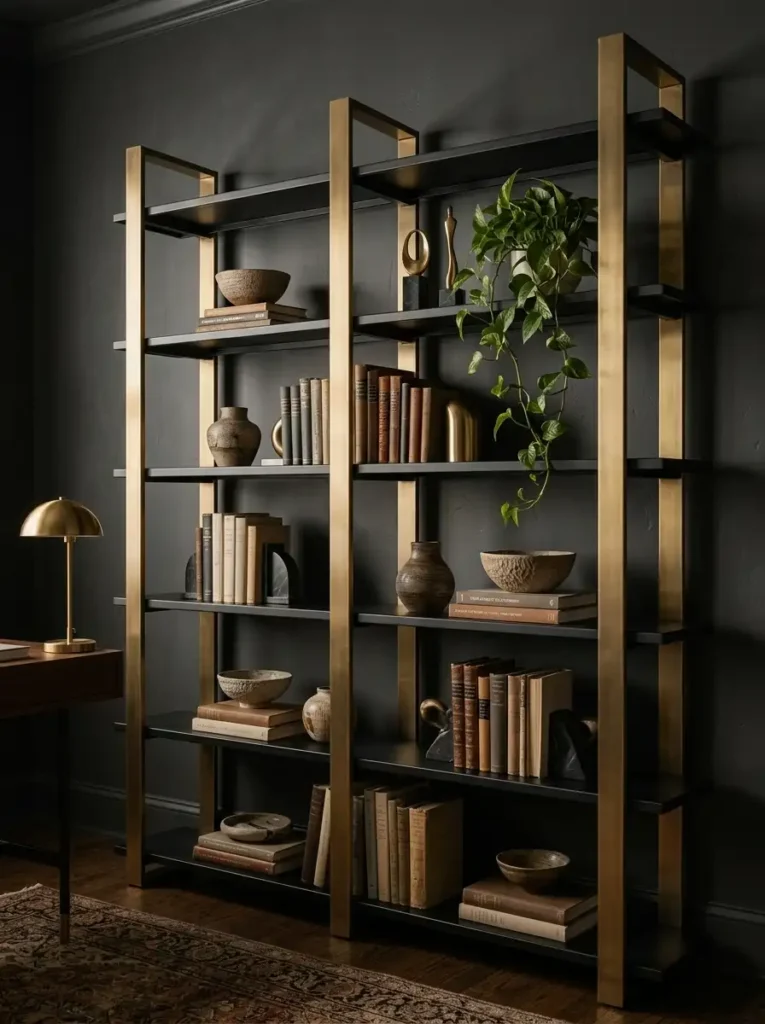
Matching all the metals in a room is a rule of the past. Modern furniture is deliberately mixing metals to create a layered, curated look that feels collected over time. Open-shelving units that pair unlacquered, warm brass with blackened, industrial steel are particularly popular. The tension between the glamorous, golden hue of the brass and the raw, utilitarian feel of the dark steel creates a dynamic visual balance. These shelving units act as architectural statements, perfect for displaying curated collections of books, art, and greenery.
23. Diffused Light with Tinted and Reeded Glass
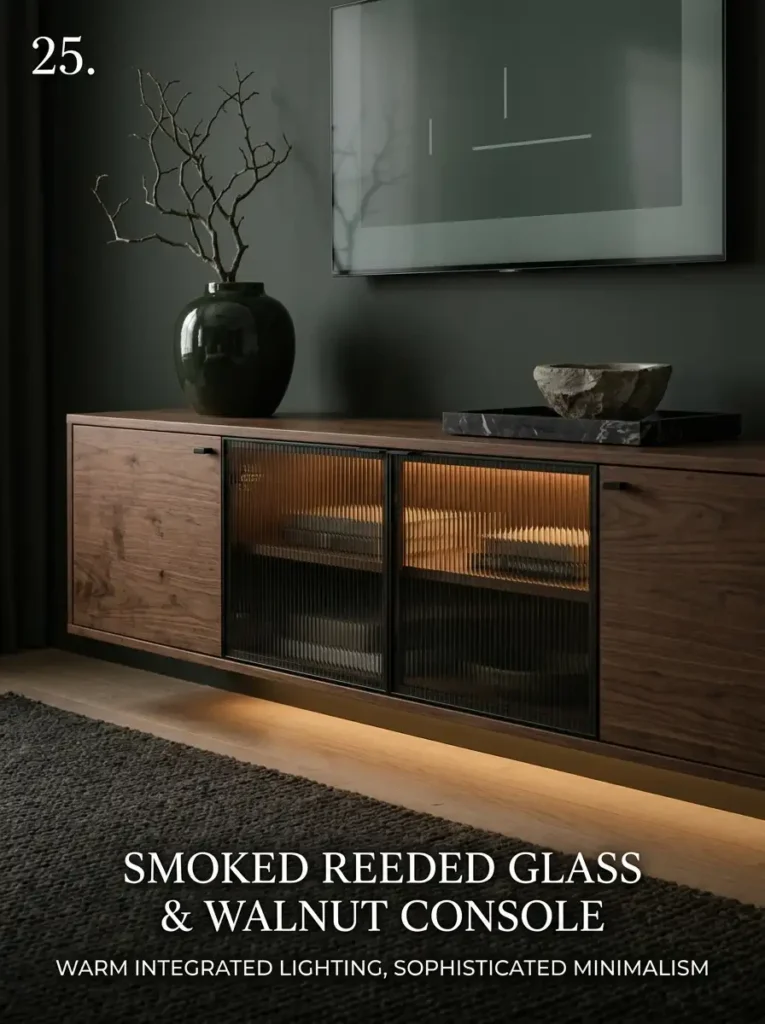
Glass furniture is moving away from clear, transparent panes in favor of tinted, smoked, and reeded glass. Reeded glass, featuring vertical ridges, obscures what lies behind it while still allowing light to filter through. It is increasingly being used as cabinet doors on media consoles and kitchen hutches, allowing you to store items without putting clutter on full display. Smoked or bronze-tinted glass on coffee tables adds a moody, retro-futuristic vibe, softening the glare of lighting and adding a sophisticated layer of texture.
24. Seamless Architecture via Color-Drenched Pieces
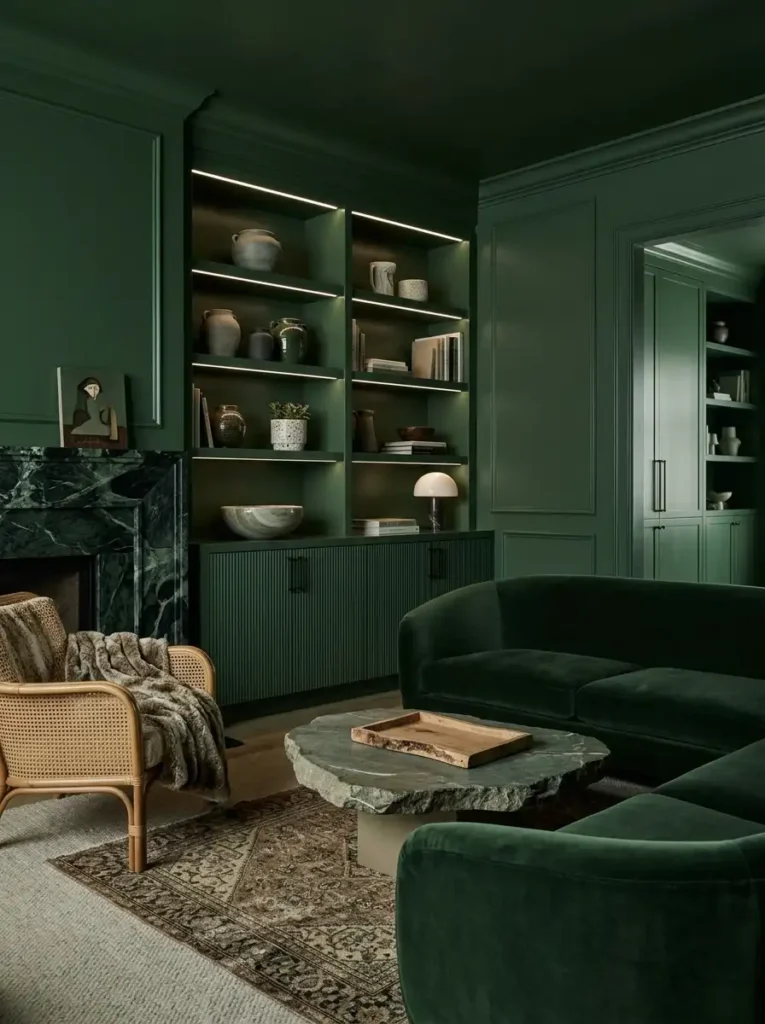
Color-drenching is a popular modern design technique where the walls, trim, and ceiling are painted the exact same color. To take this a step further, modern furniture is being designed to perfectly match or blend into this monochromatic landscape. Imagine a large, built-in bookcase or a sleek credenza painted the exact same moody shade of forest green or deep navy as the wall behind it. This technique blurs the lines between where the architecture ends and the furniture begins, creating an incredibly cohesive, spacious, and highly custom look.
Conclusion
The modern home is defined by its ability to multitask while remaining a beautiful, restorative haven. The furniture trends dominating interior design today are not superficial fads; they represent a meaningful shift in how we prioritize comfort, functionality, sustainability, and personal expression. From the sweeping, stress-reducing curves of bouclé sofas to the ingenious utility of hidden home offices, today’s pieces are designed to elevate the human experience.
By thoughtfully incorporating elements like tactile fluted woods, bold marble, flexible modular pieces, or the grounded tranquility of Japandi design, you can curate a space that feels utterly contemporary yet timelessly welcoming. Remember that modern design is not about strictly following rules—it is about mixing these versatile trends to create a home that authentically supports your lifestyle, soothes your mind, and inspires your daily life.